

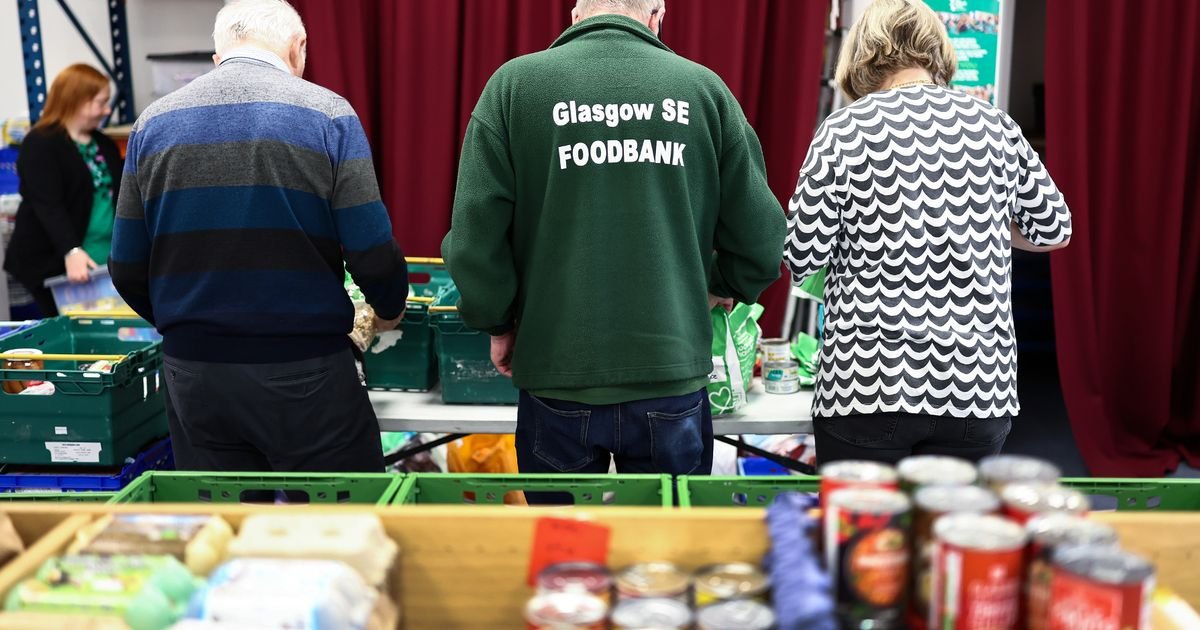
The Joseph Rowntree Foundation reports that a record number of individuals in the UK are experiencing “very deep poverty.” The foundation expresses concerns that poverty has become more entrenched, with those in this situation now living an average of 29% below the poverty line, up from 23% in the mid-1990s.
According to the report, approximately 6.8 million people are currently in “very deep poverty,” representing nearly half of all individuals living in poverty, marking the highest level on record. The decision by the Labour party to remove the two-child benefit cap is projected to reduce the number of children living in poverty by around 400,000 this April compared to the previous year.
However, the Joseph Rowntree Foundation indicates that without additional interventions, relative poverty rates are expected to remain high beyond April. The report highlights a resurgence in child poverty, affecting 4.5 million children and increasing for the third consecutive year. The foundation also warns of a concerning rise in hunger, with 1.1 million more impoverished individuals struggling to afford sufficient food compared to two years ago, bringing the total to 3.5 million.
In other news, reports suggest that the BBC may leverage iPlayer streaming data to identify individuals who have not paid for a TV license. The cost of a TV license currently stands at £174.50 per year, mandatory for watching or recording live TV programs on any channel, including content on BBC iPlayer.
Furthermore, thousands of workers may face additional tax obligations starting in April due to the implementation of Making Tax Digital (MTD), a new digital tax reporting system. Sole traders and landlords with an annual income exceeding £50,000 will be required to transition to MTD-compatible software, incurring an initial average cost of £320 and subsequent annual fees of £110. The MTD scheme is gradually expanding to lower income thresholds, with the threshold set to decrease to £30,000 in April 2027 and £20,000 in April 2028.
Wholesale gas prices in Europe, including the UK, have surged amid freezing weather conditions in the United States, impacting natural gas exports. The escalating prices have reached their highest levels since April last year, with the UK’s day-ahead price spiking to 104.13p per therm. While the full impact on household energy bills remains uncertain, sustained high wholesale prices are expected to exert upward pressure.
Additionally, a new study by the Centre for Cities reveals the UK towns and cities experiencing the fastest growth in disposable income. These locations have witnessed living standards increase by 5.2% since 2013, outpacing the national average of 2.4%. Notable performers include Brighton, Worthing, and London, with economic growth surpassing the national rate and real disposable income expanding by 5.2%.
In a significant development, ground rents in England and Wales will be capped at £250 per year, benefiting over five million leaseholders. The cap will transition to a nominal fee after 40 years, potentially saving leaseholders thousands over the lease term. The proposed legislation aims to mitigate the financial burden imposed by escalating ground rent charges, facilitating a switch to commonhold for existing leaseholders and prohibiting new leasehold flats.
Furthermore, NS&I, the state-owned savings bank, is reducing the interest rates on its Direct Saver and Income Bonds products next month due to changes in the savings market landscape. The adjustments are intended to balance financial targets while considering the interests of savers and the financial sector.
On the business front, Everyman, an upscale cinema chain, has announced a halt in new venue openings this year as part of its debt reduction strategy. Meanwhile, iconic bootmaker Dr Martens reported a decline in quarterly sales attributed to a strategic shift away from discounts. The company’s sales fell by 3.1%, prompting a share price drop.
In another development, popular retailer Claire’s has entered administration for the second time, jeopardizing over 1,000 jobs and 150 stores. The decision follows the purchase of Claire’s UK and Ireland operations by Modella Capital, which ultimately deemed the businesses unviable.
Lastly, shop price inflation in January surged, driven by increased business energy costs and National Insurance adjustments. The British Retail Consortium highlighted rising inflation across food and non-food items, posing challenges for households amidst a competitive market and mounting cost pressures.

