France reported its first human case of the Shamonda virus in a patient who passed away, with officials stating there is currently no threat to the general population. The virus, typically found in livestock, is believed to have been transmitted to the victim by a midge in eastern France where it had been circulating among animals in the spring and summer. The World Health Organization (WHO) is collaborating with French authorities on the situation.
The patient, who succumbed in early October, was undergoing treatment for a severe illness that made them more vulnerable to infection than the average person, according to the European Centre for Disease Prevention and Control based in Stockholm. The individual was a man in his 60s residing in the Lyon region, as per local newspaper Le Progres.
The WHO in Geneva stated that based on the current understanding of the transmission of similar viruses, this human case appears to be isolated and unlikely to result in widespread transmission at this time. The French government and WHO have both emphasized that there is no identified health risk to the broader population.
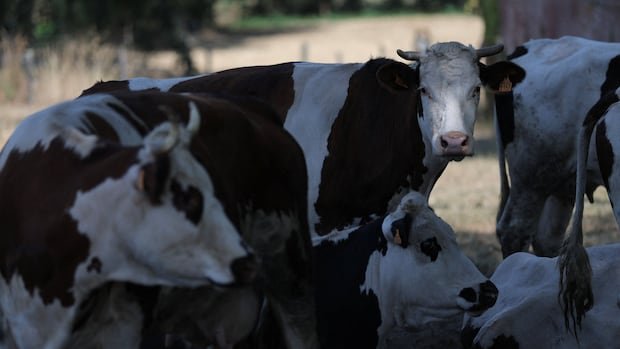
The Shamonda virus is primarily spread by biting midges and commonly affects cattle, although it has also been detected in horses, alpacas, sheep, and goats, as reported by the World Organization for Animal Health (WOAH). The virus causes various symptoms in animals, such as diarrhea, weakness, reduced appetite, and occasionally fever. A study on nine dairy farms in France revealed a significant decrease in milk production, up to 75%.
Although not classified as a disease under the EU Animal Health Law, Shamonda is not subject to official surveillance or control measures. Originating in Nigeria in the 1960s, the virus was first identified in Europe in late July following genetic testing on ill cattle in southern Germany, Switzerland, and eastern France. The French animal health surveillance bulletin disclosed that Shamonda has also been found in several other European countries.
Overall, the Shamonda virus remains a concern within the livestock sector, but as of now, there is no immediate threat to public health in France.