
Indigenous experts on repatriation are advocating for the involvement of Indigenous communities in the decision-making process regarding Indigenous cultural items connected to a financially troubled investment company in Atlantic Canada. Among the nearly 670 artworks, antiques, and artifacts associated with seafood magnate John Risley, approximately 30 items are classified as Indigenous “cultural objects.”
Following the collapse of his company, CFFI Ventures, under significant debt, Risley sought court approval to sell the company’s assets to a private equity firm in New York. The Indigenous cultural items in question range from baskets, bone carvings, textiles to moccasins, with some linked to Indigenous groups like Inuit, Mi’kmaq, and Cree without specific dates or artists. Some pieces are generically labeled as “Indigenous,” while others bear vague descriptions like “unidentified artist, Inuit.”
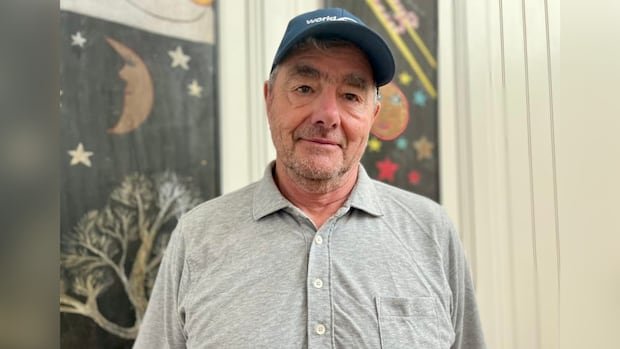
Cody Groat, an assistant professor of History and Indigenous Studies at Western University and a member of Six Nations of the Grand River in Ontario, emphasized the importance of Indigenous nations participating in the decision-making process concerning these cultural items. He stressed the ethical significance of returning these items to their rightful Indigenous communities.
While Risley acknowledges the principle of repatriation, he claims that the collection does not include culturally significant pieces acquired before their importance was recognized. He stated that the items were purchased from reputable dealers and auction houses with thorough public scrutiny, minimizing the likelihood of housing culturally significant pieces.
In response to Risley’s assertions, the Canadian Museum Association’s Indigenous Council emphasized the necessity of Indigenous people identifying culturally significant objects, as dealers and collectors may lack the expertise to recognize them. The council highlighted the risk of misunderstanding the significance of items when the community of origin had no say in their fate.
Risley, a prominent figure in Atlantic Canada for co-founding Clearwater Seafoods, recently had his company’s assets approved for sale to New Tide Capital, a subsidiary of New York-based investment firm HPS Investment Partners LLC. The assets included a collection of over 1,200 artworks and antiques worth approximately $8.1 million, featuring works by renowned artists like Maude Lewis and members of the Group of Seven.
The involvement of Inuit Tapiriit Kanatami in assessing Inuit cultural pieces for significance underscores the importance of proper evaluation by Indigenous representatives. The organization expressed willingness to assist in returning historically significant pieces to the Inuit community as a gesture of goodwill.
Groat highlighted historical challenges faced by Indigenous communities in reclaiming cultural items, citing the lack of a national framework for repatriation in Canada. The complexities involved in identifying and returning Indigenous belongings held in private collections, particularly in bankruptcy cases, pose significant obstacles for Indigenous communities seeking to reclaim their heritage.
Lauren Wheeler, the executive director of the Canadian Museum Association, emphasized the need for public museums and private collectors to engage with Indigenous communities in identifying and facilitating the return of culturally significant objects. The document “More Than Giving Back” advocates for the return of items taken under coercive circumstances and stresses the importance of Indigenous-led processes for repatriation.
It is essential to prioritize the involvement of Indigenous communities in the retrieval and return of Indigenous cultural items to their rightful owners to uphold ethical and respectful practices in preserving cultural heritage.

