
Premier Danielle Smith has firmly stated that she will not authorize a new referendum on Alberta’s separation from Canada, even if the majority of residents prefer to stay united with the country. However, this declaration has sparked uncertainties regarding the fate of an initial citizen-led petition calling for a separation vote, which has been caught up in legal limbo.
Legal experts suggest that if an appeal by the Alberta government and a separatist group is approved, the stalled petition could resurface, potentially reigniting discussions about a referendum, irrespective of Smith’s stance on the matter. The unprecedented situation of a government-initiated referendum and a citizen’s initiative coexisting presents uncharted territory, according to Kathleen Mahoney, a former law professor at the University of Calgary, and Gerard Kennedy, a constitutional law expert at the University of Alberta.
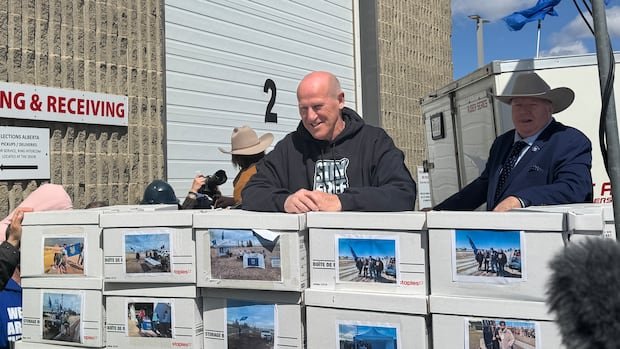
The complex scenario traces back to an earlier attempt by the separatist group Stay Free Alberta to gather signatures for a petition advocating for Alberta’s independence through a constitutional referendum. Despite facing setbacks in court due to a failure to consult with First Nations, both Stay Free Alberta and the government appealed the decision. A partial stay was granted, allowing the counting of the petition signatures, which later surpassed the required threshold for a successful petition.
The legal proceedings are ongoing, with uncertainties surrounding the potential necessity for a second referendum and the timeline for its implementation. While the government holds the authority to make final decisions on most citizen-led initiatives, proposals for constitutional referendums, like Stay Free Alberta’s petition, require additional steps, including referral to the Lieutenant Governor in Council.
Various legal and procedural aspects, such as Indigenous consultation requirements and recent legislative changes allowing more flexibility in referendum scheduling, further complicate the situation. Despite the government’s discretion in managing the referendum process, key elements remain unresolved, including the timing, form, and potential impact on treaty rights.
In response to the evolving developments, a government representative opted not to comment and directed inquiries to the premier’s earlier statements. Meanwhile, Stay Free Alberta’s counsel indicated their intention to persist in pursuing another vote, regardless of the outcome of the impending referendum, with a touch of humor conveyed through emojis.

