
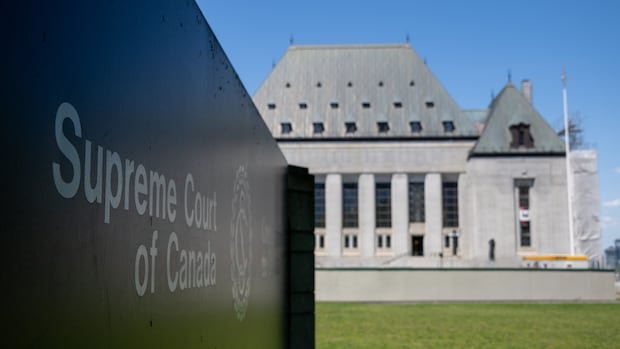
In a recent ruling, the Supreme Court of Canada emphasized the importance of considering Indigenous sentencing principles for both offenders and victims in cases involving Indigenous individuals committing crimes against Indigenous partners. The court highlighted the need to address the overrepresentation of Indigenous people in prisons and the high levels of violence experienced by Indigenous women and girls.
The court set out a new framework for determining appropriate sentences in such cases, emphasizing the impact of colonization on these issues and the significance of addressing them together for the process of reconciliation. The decision stemmed from a case involving a Mi’kmaw man with severe mental health challenges who pleaded guilty to aggravated assault against his partner, a Mi’kmaw woman, in Nova Scotia.
After the Nova Scotia Court of Appeal reduced the man’s initial five-year prison sentence to three years, the Supreme Court upheld the three-year sentence. This ruling is expected to have broader implications for Indigenous sentencing options in Canada.

