
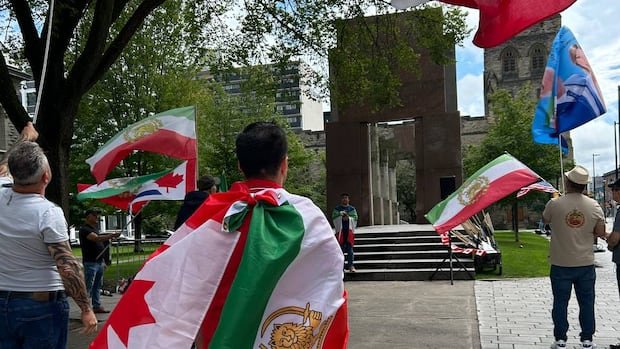
Hundreds of Iranian families in Canada have been notified by the federal immigration department that they are deemed inadmissible due to past associations with a terrorist organization. Time is ticking for them to demonstrate their innocence and disassociation from the group.
Sanam Mohammadzadeh, a resident of Windsor, Ontario, expressed her dismay, stating, “We chose Canada to live in a fair place, but now I realize there is no justice here. We are shocked and speechless.” Mohammadzadeh is one of many affected Iranian families planning a protest on Parliament Hill on Sept. 22.
The Immigration, Refugees and Citizenship Canada (IRCC) issued Procedural Fairness Letters (PFLs) to applicants with concerns about their applications. CBC News examined around 50 such letters sent on Aug. 6, all citing prior conscription with the Islamic Revolutionary Guard Corps (IRGC) as grounds for inadmissibility.
In July 2024, the Canadian government designated the IRGC as a terrorist organization, causing concerns for individuals who had mandatory military service in Iran. Justice Minister Arif Virani acknowledged the complexities of the situation, emphasizing the need to consider individuals’ current status and service history.
Mohammadzadeh, an award-winning post-doctoral fellow at the University of Windsor, and her husband, who previously served with the IRGC, are among those awaiting permanent residency approval. They question the sudden labeling of conscripts as terrorists and the implications for their safety and future in Canada.
IRCC clarified that each case is assessed individually, and compulsory military service alone does not automatically lead to inadmissibility. The department highlighted the use of standardized letter templates for clarity and consistency in communication.
Affected individuals across Canada have expressed frustration over the PFLs, giving them 30 days to prove their innocence. Despite efforts to engage local MPs and stage protests, many feel their concerns have been disregarded, leaving over 400 families uncertain about their status in the country.
Immigration lawyer Zeynab Ziaie Moayyed criticized the blanket approach taken by IRCC, contrasting it with the UK’s exclusion of conscripts when designating the IRGC as a terrorist entity. She highlighted the challenges faced by families caught in this situation and the need for comprehensive legal responses to navigate the process effectively.

