
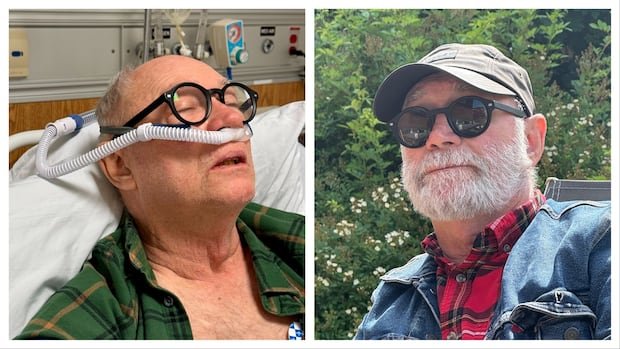
Mary Pyche’s partner, Gregg Lambert, 72, was hospitalized for two weeks with a severe respiratory syncytial virus (RSV) infection earlier this year. Despite having lung cancer, he does not qualify for the free RSV vaccination program in Nova Scotia. This coverage gap is concerning for Pyche, 68, and Lambert. The couple, who have private health insurance that does not cover RSV shots, finds it puzzling that while the province funds flu and COVID-19 vaccines, RSV protection is treated differently.
The RSV vaccination program in Nova Scotia currently covers infants under eight months old, adults 60 and older in long-term care or awaiting placement, and adults 75 and older. However, individuals like Lambert, who fall outside these groups but are at risk due to underlying health conditions, are left without access to free shots. Private vaccination costs at Halifax-area pharmacies exceed $320 per dose.
According to the province’s respiratory watch dashboard, 17 RSV-related deaths occurred in the past year, all affecting individuals over 65 years old. Almost 400 people have been hospitalized due to RSV infections. Lisa MacPherson, 62, who was hospitalized with RSV earlier this year, highlights the financial implications of not expanding the eligibility criteria for the free vaccine program. Despite getting flu and COVID-19 shots, MacPherson cannot afford the RSV vaccine, emphasizing the need for broader coverage.
The Department of Health and Wellness defends the current vaccine program, citing evidence, disease burden, risk factors, and expert advice. While acknowledging the severity of RSV in younger adults with underlying conditions, the department notes the higher hospitalization rates in adults aged 75 and older. The National Advisory Committee on Immunization’s updated recommendation for RSV vaccines in high-risk adults aged 65 to 74 is under review by the province.
MacPherson advocates for a change in the province’s approach, emphasizing the potential cost savings of preventing hospitalizations through expanded vaccine coverage. The department encourages individuals who do not qualify for publicly funded vaccination to explore private vaccine options.

