
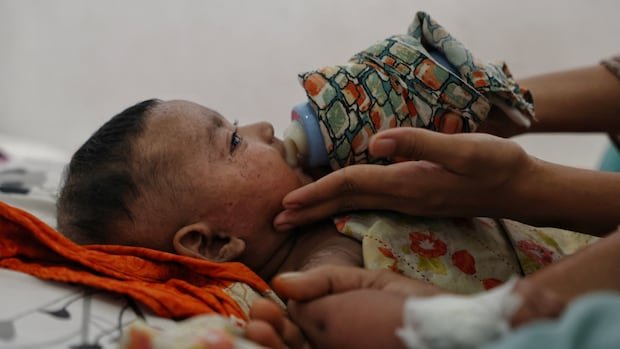
Bangladesh, once on the verge of eradicating measles, is now grappling with its most severe outbreak ever, with approximately 1,000 suspected and confirmed measles-related deaths reported since March. Hospitals are overwhelmed with overcrowding, shortages, and a continuous influx of sick children.
According to data from Bangladesh’s Health Ministry, the country has recorded over 166,000 suspected measles cases, including 19,835 laboratory-confirmed infections, since the outbreak began in March. The outbreak has been associated with 999 deaths, including 100 confirmed measles fatalities, with more than 146,000 suspected patients being hospitalized.
Despite a nationwide emergency vaccination campaign initiated in April, the prolonged outbreak is attributed to disruptions in routine immunization and vaccine supply between 2024 and 2025 due to political unrest following a deadly uprising against then Prime Minister Sheikh Hasina.
Experts point to weak program oversight, inadequate monitoring, and policy changes that led to a vaccine shortage, leaving many children vulnerable to the highly infectious disease. Health agencies like the World Health Organization and UNICEF have emphasized the impact of disrupted immunization schedules, with children under five representing a significant portion of cases.
To address the outbreak, closing immunity gaps, enhancing vaccination coverage, and raising public awareness are immediate priorities. The surge in measles cases has added strain to hospitals already dealing with a rising number of dengue patients, further burdening the healthcare system.
Patients are struggling to find adequate care, with hospitals operating beyond capacity. Families face uncertainty, repeated hospital visits, and escalating costs due to the outbreak. The emergency measles-rubella vaccination campaign in Bangladesh targeted millions of children, but experts stress the need for ongoing efforts to combat the twin health crises of measles and dengue.
Although preventable with vaccines, measles continues to pose a challenge in Bangladesh. The country’s health system is tasked with maintaining routine services while responding to infectious diseases. The devastating impact on families underscores the urgency of addressing vaccination gaps and strengthening healthcare infrastructure to prevent future outbreaks.

