
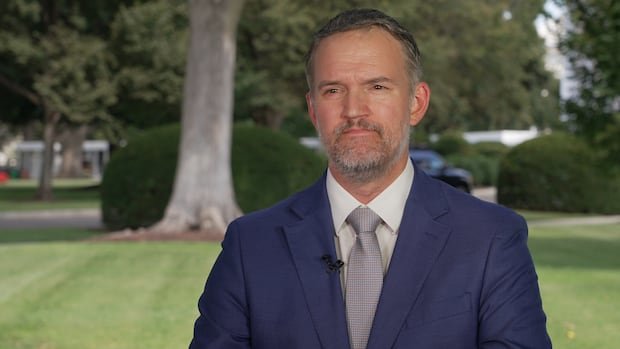
The top trade official of the United States, Jamieson Greer, criticized Canadian leaders for labeling the tariffs imposed by the administration as a trade war against Canada. Greer, in an interview with the Financial Times, played down the impact of the 50 percent tariffs on the Canadian economy and rebuked Prime Minister Mark Carney for his characterization of the trade dispute.
Greer highlighted that only five percent of Canada’s exports to the U.S. are affected by the tariffs, emphasizing that the situation has been exaggerated with talk of war and economic attacks. The official stated that the use of such terms is unwarranted.
Following the escalation, Canada retaliated with tariffs, prompting the U.S. to announce a ban on Canadian alcohol, motorcycles, and certain food products starting September 29. Greer reinforced his stance through a news release reiterating that the tariffs were merely additional fees on foreign goods made by foreign workers in foreign countries.
In response to Canada’s retaliatory measures, Greer presented options to President Trump, indicating that the President was considering further actions. Trump subsequently announced the import ban, restrictions on Canadian companies’ eligibility for U.S. government procurement, and adjustments to the goods subject to the 50 percent tariff.
Greer justified these actions as a “natural consequence” of Canada’s trade tactics, criticizing Canada’s discriminatory treatment of American exports like alcoholic beverages, dairy products, and motor vehicles. His statements were echoed by other members of the Trump administration, including Treasury Secretary Scott Bessent, who dismissed the idea of a trade war with Canada.
The refusal to categorize the situation as a trade war has been a recurring theme within the Trump administration, emphasizing a focus on business and economics rather than military conflict.

