

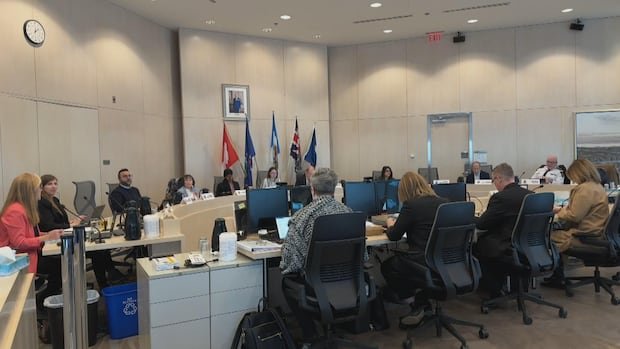
The Edmonton Police Commission (EPC) has announced that public speakers will no longer be permitted in its remaining public meetings for the rest of the year due to what it describes as disrespectful and aggressive feedback from the public. In a recent news release, the oversight body stated that discussions surrounding the EPC have surpassed constructive criticism of the board, police governance, or oversight.
The EPC clarified that this decision is temporary, and individuals can still observe the meetings online. If citizens wish to provide input, they can submit written comments. The Commission indicated that it will reassess the suspension of public speakers before the upcoming year.
Ben Henderson, the chair of the commission, emphasized that the choice was made to prioritize the safety of commission members, staff, and the public. He cited inappropriate behavior by some speakers at recent meetings as prompting this decision. Henderson expressed concerns about personal attacks on commissioners, staff, and members of the public during these sessions.
Henderson highlighted that derogatory or offensive feedback from the public hampers the commission’s ability to fulfill its duties effectively. He stressed the importance of maintaining a respectful environment for open dialogue within the commission’s proceedings.
Nour Salhi, a spokesperson for the Palestinian Student Alliance, underscored the significance of the public speaking process in fostering and restoring relationships between law enforcement, the EPC, and historically marginalized communities. Salhi emphasized that the EPC should serve the public rather than solely the police.
Dan Jones, the justice studies chair at NorQuest College, pointed out that public speakers often raise crucial community concerns essential for police operations. Jones warned that eliminating the public speaking component could diminish the quality of law enforcement and harm public perception of the police as a community organization.
Jones also suggested that the handling of criticisms regarding the police chief’s trip to Israel may have strained relations between the police and the community. He emphasized the importance of maintaining community policing practices to uphold police legitimacy and foster positive relationships with the public.

