

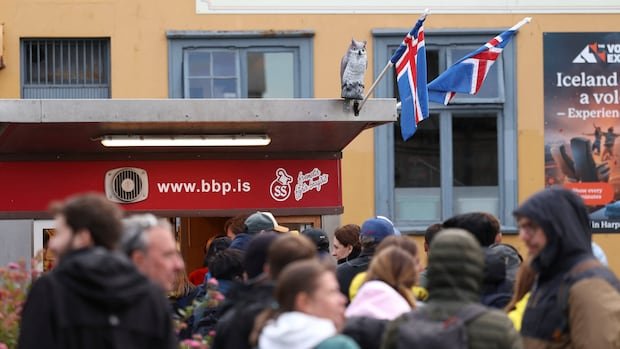
Icelandic citizens have voted against initiating discussions with the European Union, according to referendum results released on Sunday. The government’s proposal to reopen talks for EU membership was rejected by 52.8% of voters, with 47.2% in favor. The voter turnout was high, with 82.5% of eligible voters participating in the referendum.
The debate over EU membership in Iceland, a nation of 400,000 people, has been ongoing for over a decade. Initially, there was an expectation that the country would narrowly support engaging in membership negotiations. However, recent opinion polls indicated a shift in public sentiment.
The referendum results showed that only the central Reykjavik constituencies supported the government’s proposal, while rural areas and suburban Reykjavik voted against it. Prime Minister Kristrun Frostadottir viewed the referendum as a critical moment, framing EU membership as a safeguard against trade disputes and Arctic security concerns. She emphasized that a “no” vote would likely halt further discussions on EU membership during her coalition’s tenure.
In Brussels, some officials had hoped that Iceland’s potential EU membership could enhance the bloc’s credibility and strategic position, especially in the context of Arctic security challenges. The issue of security was also raised within Iceland, given uncertainties surrounding the U.S. commitment to NATO and President Donald Trump’s expressed interest in Greenland.
Despite security considerations, many Icelanders prioritized their fishing industry, a significant contributor to the country’s economy. Fishing accounts for 15% of Iceland’s GDP and around 40% of its export earnings. The economic implications of EU membership were a central point of discussion, with proponents suggesting that joining the EU and potentially adopting the euro could address Iceland’s financial challenges, including high inflation and interest rates.
Opposition leader Gudrun Hafsteinsdottir, a vocal advocate against EU membership, argued that Iceland’s economic issues should be addressed internally rather than relying on Brussels for solutions. She contended that remaining independent was crucial for Iceland’s future prosperity.
Amid concerns about potential impacts on fishing rights, Icelandic officials debated the implications of EU membership on the country’s control over its waters. While some reassured that Iceland would maintain sovereignty over its fishing grounds, others, like Hafsteinsdottir, expressed skepticism about the EU’s long-term intentions.
The outcome of the referendum reflects Icelanders’ stance on the EU membership issue, with a majority choosing to stay out of the union for the time being. The decision underscores the country’s unique economic and geopolitical considerations, particularly regarding its vital fishing industry and national sovereignty.

