

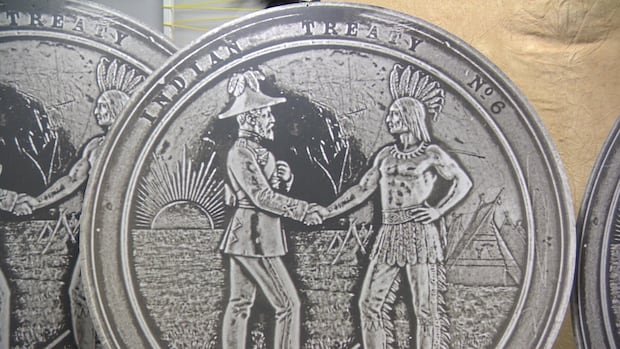
First Nations communities across Treaty 6 territory are commemorating the 150th anniversary of the 1876 agreement with the Crown this month. However, the upcoming Alberta independence referendum has raised concerns among some, overshadowing the celebrations.
The fall referendum in Alberta includes a crucial question about the province’s status within Canada or the initiation of a process for a separation referendum. This question has sparked worries among many First Nations individuals who fear it jeopardizes their treaty rights and privileges.
Grand Chief Joey Pete of the Confederacy of Treaty 6 First Nations, representing Alberta nations, emphasized the importance of First Nations’ participation in the referendum discussions to protect their rights as foreseen by their ancestors who signed the treaty.
Pete clarified that the treaty’s essence transcends Alberta and that the province acts as a representative of the Crown in this agreement. He emphasized that the treaty did not involve surrendering the land but rather sharing it with settlers, ensuring rights such as health, education, and the ability to hunt and live off the land for First Nations.
Janice Makokis, an assistant law professor at the University of Windsor and a member of Saddle Lake Cree Nation, underlined Canada’s legal obligation to act in the best interests of First Nations. She highlighted the potential impact of Alberta’s separation on essential services funded by the federal government.
The separatist group Stay Free Alberta initiated a petition last year to seek independence from Canada, prompting a legal battle between the province and First Nations. The Confederacy of Treaty 6 First Nations organized a series of events leading up to the treaty’s anniversary, expressing disappointment at the absence of Alberta government representatives.
Treaty 6, signed in 1876 at Fort Carlton in Saskatchewan, extends across central Alberta and Saskatchewan, with additional signatories from Manitoba. Dwayne Donald, a professor at the University of Alberta, emphasized the significance of the treaty in Alberta’s historical integration into Canada.
Amidst discussions on Alberta’s independence, various separatist groups have proposed scenarios for future relations with First Nations. While some suggest increased economic freedom, others affirm the continuity of treaty rights within an independent Alberta. However, Chief Vernon Watchmaker of Kehewin Cree Nation emphasized unity over division, emphasizing the sacred and binding nature of the treaties.
Keith Wilson, a lawyer supporting Alberta’s independence, mentioned that First Nations could retain their rights under a modern treaty or choose to remain with Canada. Makokis stressed the treaties’ international nature, emphasizing their spiritual significance and the impossibility of breaking them.
As the debate continues, Donald highlighted the overlooked history of Edmonton’s First Nations communities and their displacement to accommodate urban growth. He emphasized the need to acknowledge and respect the longstanding presence of Indigenous peoples in the region amid discussions of separatism.

