

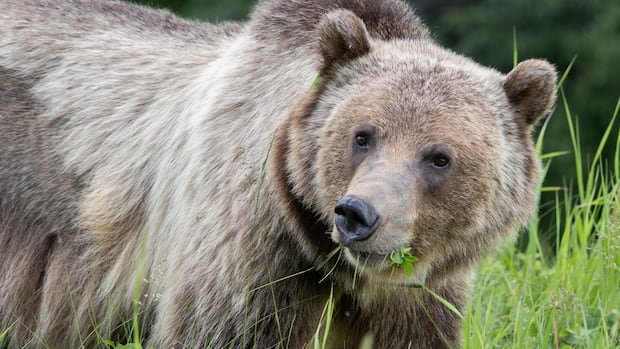
In Alberta, the year 2024 witnessed a higher number of human-caused grizzly bear fatalities than any other year on record, as per data from the provincial government. The province regularly releases mortality rates for grizzly bears caused by human activities on its official website, providing data from 2005 to 2025 for public access.
During 2024, a total of 40 documented grizzly deaths were reported, with causes ranging from poaching and vehicle collisions to lethal removal by law enforcement agencies. Among these, 21 grizzlies were killed as part of “agency removals,” indicating actions taken by Alberta Fish and Wildlife Enforcement Services, conservation officers, or other law enforcement authorities. These figures mark the highest numbers on record, with 2024 being the sole year where over half of the total grizzly bear deaths were attributed to agency removals.
Previously, the highest known human-caused grizzly bear fatalities were reported in 2016, totaling 29 deaths, primarily due to vehicle strikes. In 2023, the highest number of lethal removals by law enforcement was recorded, with 12 out of 26 known grizzly deaths listed as agency removals.
Retired Fish and Wildlife officer John Clarke suggests that the surge in grizzly bear deaths in 2024 could be linked to the province’s updated grizzly bear response guide in 2023. This guide categorizes bears based on factors like age, presence of cubs, and specific problematic behaviors, such as habituation to humans or foraging on livestock. Clarke notes that the revised guidelines granted officers increased decision-making authority regarding bear management, particularly lowering the threshold for male grizzlies to be euthanized.
Under the latest response framework, a male grizzly can be put down upon the first report of habituation or food-conditioning if the bear roams outside designated recovery zones outlined in Alberta’s Grizzly Bear Recovery Plan. If the bear is neither in a recovery nor support zone and lacks cubs, it can be euthanized, unless it receives a relocation chance upon the first incident, thereafter facing euthanasia.
The province emphasizes that there is no singular solution to human-grizzly conflicts, attributing the higher mortalities in 2024 to varying conflict incidents influenced by factors like local bear populations, food availability, environmental conditions, and human attractants such as livestock and garbage.
In 2025, the total grizzly deaths reduced to 18, with six involving agency removals. The decline could be attributed to several factors, including potential removal of problematic bears in the preceding year. Public Safety and Emergency Services documented two human-related attacks and 92 livestock-involved incidents in 2024, contrasting with three human attacks and 80 livestock incidents in 2025.
Regarding grizzly bear hunting, the ban on sport hunting since 2006 is under scrutiny, with the Rural Municipalities of Alberta urging the government to reintroduce grizzly bear hunting to mitigate conflicts. In 2005, grizzly hunting saw 73 licenses issued, resulting in 10 grizzlies killed, contributing to a total of 23 human-caused grizzly deaths that year.
The Alberta government estimates the current grizzly bear population in the province at around 1,000, albeit without a recent provincial census since 2018.

