

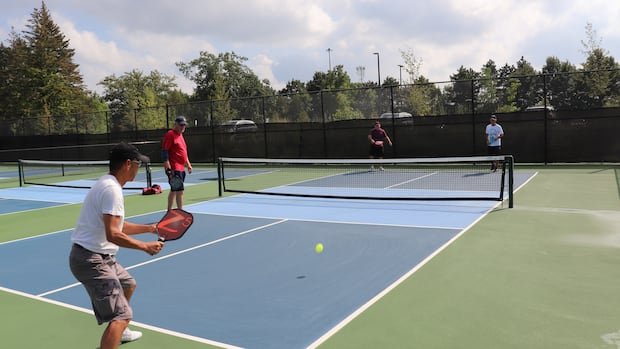

Across Canada, a fierce battle for court time is escalating between tennis and pickleball enthusiasts.
For instance, in Scarborough, Ontario, the conversion of two tennis courts into six pickleball courts sparked controversy, leading a concerned tennis player to petition for a reversal.
Similarly, a dispute over access to public courts between pickleball and tennis players on Mayne Island, British Columbia, ended up in the B.C. Supreme Court.
This clash reflects broader challenges in sports and recreation infrastructure, according to Matti Siemiatycki, a University of Toronto geography and planning professor.
Siemiatycki emphasizes the scarcity of public recreational facilities for various sports, highlighting the need for a strategic solution to address the insufficient supply.
According to Peter Donnelly, a University of Toronto professor emeritus, developers should be mandated to include more recreational amenities in their projects to mitigate the shortage of public sports facilities.
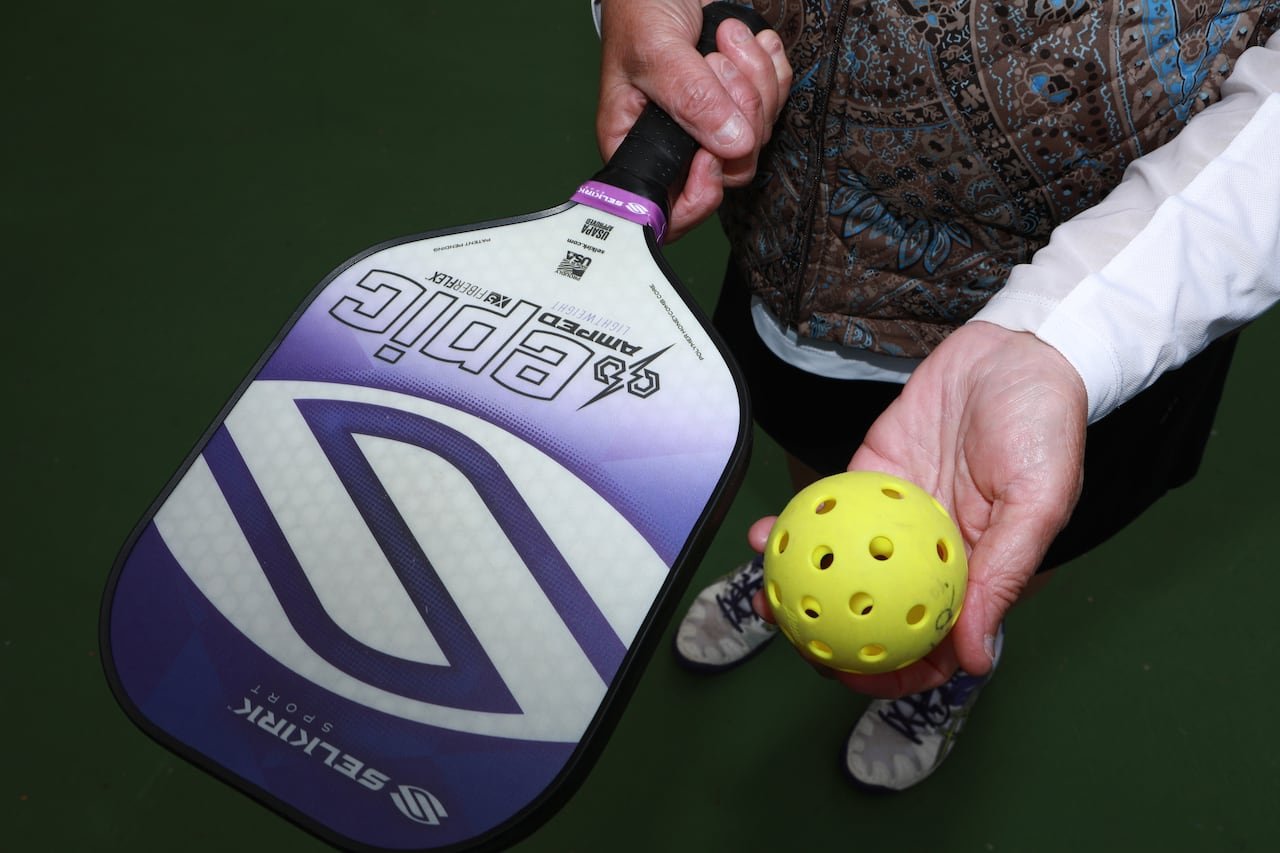
Donnelly advocates for a return to historical public housing policies that integrated recreational spaces, underscoring the importance of equitable access to sports and recreational facilities.
Furthermore, the surge in interest in pickleball and tennis amid the pandemic has exacerbated the competition for court space, as highlighted by Siemiatycki.
Both Tennis Canada and Pickleball Canada report a significant rise in participation, indicating a growing demand for these sports.
Jonathan Moody, president of Pickleball Ontario, notes the adaptability of players using tennis courts for pickleball games due to space constraints.
Exploring Collaborative Solutions
Private enterprises have responded to the demand by establishing pickleball facilities, such as converting churches and mall spaces.
Lyndsay Hayhurst, an associate professor at York University, suggests potential partnerships between city recreation departments and private businesses to enhance access to sports facilities.
Financial Challenges and Solutions
Local governments rely on property taxes to fund public facilities, but increasing taxes can be contentious.
- <a class="cardWrapper-u5T0r cardWrapper-_487P noPaddingCardWrapper" data-feature-instance="similar-link" data-feature-name="

