

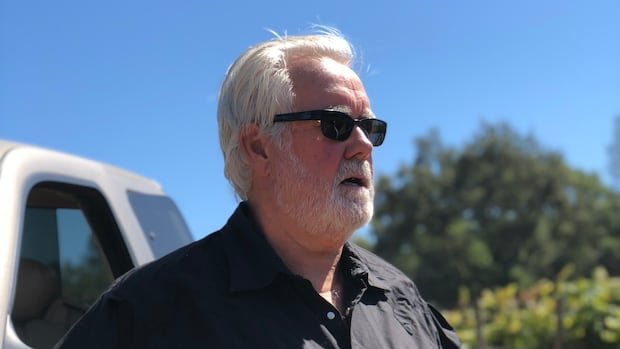
Bill Easton used to have regular shipments of Syrah to Montreal from his winery in California’s Sierra Foothills. However, last spring, Quebec’s decision to pull American alcohol from its shelves disrupted this routine. Easton now pays $1,200 every four weeks to store his wine in a temperature-controlled facility due to the ban on U.S. alcohol in Canadian provinces.
Easton mentioned how he has wine specifically labeled for the Quebec market sitting in a warehouse, awaiting sales. Winemakers and industry groups find themselves caught in the middle of trade negotiations between Canada and the U.S., with their businesses becoming bargaining chips in an international dispute.
Easton expressed his frustration, stating, “I think we’re being used as a tool for this negotiation. I’m not sure why we have this tariff battle going with Canada. We’re just farmers and winemakers selling wine to people who like what we do.”
Canadian provinces halted the distribution of U.S. alcohol last year in response to tariffs imposed by U.S. President Donald Trump. This move is now being reconsidered as part of negotiations to avoid new tariffs on Canadian goods.
Prime Minister Mark Carney urged provinces to rethink their ban on American alcohol to reach a trade deal and prevent further tariffs. Premiers are divided on the issue, with some willing to comply if the deal is favorable, while others remain cautious, not wanting to lose leverage in the ongoing trade dispute.
-
‘A bad taste left in my mouth’: Will Canadians buy U.S. booze again?
-
If U.S. booze returns to shelves, ‘leave it there,’ Manitoba premier says
Manitoba Premier Wab Kinew shared his views, calling the American president weak and questioning the effectiveness of giving in to demands amid the trade tensions. He stated that while he might consider lifting the ban on U.S. alcohol, he advised Canadians against purchasing American products.
Trump’s administration has been vocal about the ban on American alcohol in Canada, citing it as a key issue in trade discussions. The dispute stems from various trade barriers imposed by Canadian liquor boards, which the U.S. sees as hindrances to fair trade.
Rebuilding trust key: wine group
The Oregon Wine Growers Association, representing a significant portion of the state’s wine production, emphasized the importance of a long-term deal to rebuild trust with Canadian buyers. They expressed optimism that resolving this issue would benefit both parties, highlighting the need for stable trade relations.
According to a recent poll, a majority of Canadians indicated they would continue to boycott American alcohol even if it becomes available again, citing preferences for domestic brands and ongoing personal boycotts.
While trade data shows a significant decline in wine exports

