

Researchers in Alberta are closely monitoring blue-green algae, and the public can now track its presence through a newly launched website. The Algal Bloom Tracker allows users to monitor toxic algal blooms in six lakes using satellite imagery and lake sampling. This platform offers near real-time results displayed on a user-friendly map.
Rolf Vinebrooke, a key figure in the project, explained that the map gets updated regularly with satellite images of Alberta lakes, providing an overview of the blooms’ nature and identifying areas to avoid. Vinebrook, an aquatic ecology professor at the University of Alberta, emphasized the importance of satellite data in closely tracking these dynamic blooms, which can emerge and dissipate rapidly.
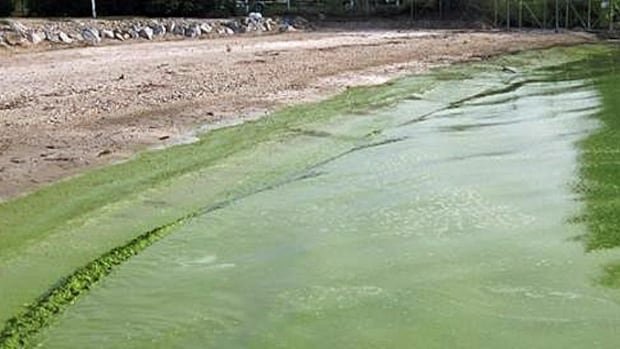
Blue-green algae, scientifically known as cyanobacteria, can flourish in nutrient-rich Alberta lakes during the summer, posing health risks due to potential toxin production. Vinebrook highlighted the significance of satellite monitoring in tracking these blooms more efficiently than traditional methods, enabling users to stay informed about their presence when planning lake-related activities.
The Algal Bloom Tracker, currently operational for six lakes, aims to expand its coverage to around 50 lakes in Alberta within the next three years. The selected lakes represent various bloom frequencies, from rarely affected to frequently plagued by algal blooms.
When blue-green algae levels surpass safe thresholds, Alberta Health Services issues health advisories for affected lakes. Currently, over 25 advisories are in effect across the province, urging the public to avoid contact with affected waters to prevent potential health hazards.
The Algal Bloom Tracker operates independently from official health advisories, offering a supplementary tool for public awareness and decision-making. Vinebrook highlighted the need for caution, as algae presence can be transient, emphasizing the importance of aligning with health advisories for safety.
As the project evolves, researchers aim to gain insights into the trends and impacts of blue-green algae in Alberta’s lakes. Historical satellite data suggests a rise in bloom intensities post-2000, with increased variability and unpredictability in recent years.
The project’s website underscores the broader implications of harmful algal blooms on Alberta’s environment and communities, emphasizing the importance of understanding their occurrence for various stakeholders.

