

Canada and the United States are still in disagreement as talks continue for a tariff deal before U.S. President Donald Trump’s impending deadline, according to informed sources. The federal government is skeptical about the imminent prospects of a tariff agreement due to significant differences between the two parties, with unresolved issues keeping them apart.
Canada’s Trade Minister Dominic LeBlanc updated provincial and territorial counterparts on the negotiation progress. Meanwhile, a briefing was held with members of the prime minister’s advisory committee on Canada-U.S. economic relations. Although details from the briefings have been disclosed, the sources providing the information are not authorized to speak publicly.
Negotiations between Canada and the U.S. have intensified following Trump’s threat to impose a substantial 50% tariff on numerous Canadian goods from August 19. One source familiar with the discussions mentioned a decline in Canadian optimism and the unyielding stance of the Americans on their latest proposal, which includes reducing sectoral auto tariffs to 12.5%. However, the Canadian side deems this offer insufficient.
Quebec’s Economy Minister Bernard Drainville, briefed by LeBlanc, emphasized the significant gap that persists between the two countries. He indicated that an agreement is distant, with no signs of Trump postponing the application of the 50% tariffs.
Former Conservative leader Erin O’Toole, also part of the advisory committee, echoed the sentiment that Canada and the U.S. are still far from reaching a consensus. O’Toole stressed the need for alignment in negotiations to ensure a mutually acceptable deal respecting both countries’ workers.
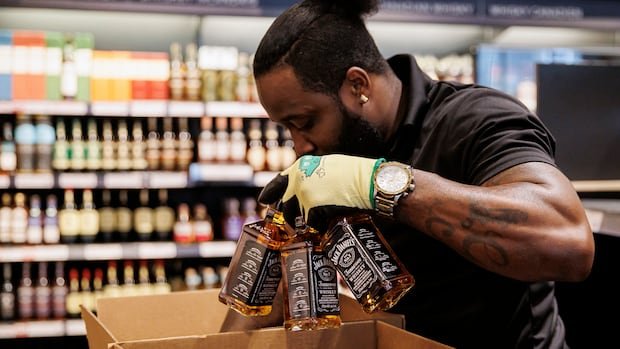
Sources revealed that the federal government has instructed provinces to prepare for the reintroduction of American alcohol on shelves in case a tariff agreement is reached. Additionally, provinces and territories have been advised to be ready to eliminate procurement rules favoring Canadian suppliers if a deal materializes.
Trump’s grievances concerning provincial booze bans, dairy import quotas, and auto tariffs have been cited as reasons for the proposed new tariffs. The ongoing discussions involve the U.S. refraining from imposing additional levies while partially reducing existing sectoral tariffs on Canadian steel, aluminum, autos, and forest products. In return, Canada may need to address the three key issues raised in Trump’s ultimatum.
Quebec Premier Christine Fréchette emphasized the non-negotiable stance on preserving the supply management system safeguarding Canadian dairy, an issue of contention for the U.S. Trump has persistently criticized the market access for U.S. dairy farmers in Canada.
Recent reports suggested that Canada was willing to end booze bans as part of a trade-off for tariff relief. Trump’s implementation of sectoral tariffs last year, along with the impending 50% levy, has heightened the urgency for a comprehensive agreement.
U.S. Trade Representative Jamieson Greer described the talks with Canada as constructive but stressed the importance of revoking retaliatory measures like the booze bans. Greer highlighted the priority to execute Trump’s trade policies while keeping Canada aligned with American interests.
The booze bans, initially imposed by Canada in response to Trump’s tariff threats, have severely impacted U.S. alcohol exports to Canada. Ontario Premier Doug Ford expressed readiness to reintroduce American alcohol if a fair deal is reached, emphasizing the significance of protecting key sectors in Ontario.
Despite the potential return of American alcohol, many Canadians have expressed reluctance to purchase these products. The negotiations remain crucial, with both countries striving to bridge the gaps in their positions to secure a mutually beneficial trade agreement.

