

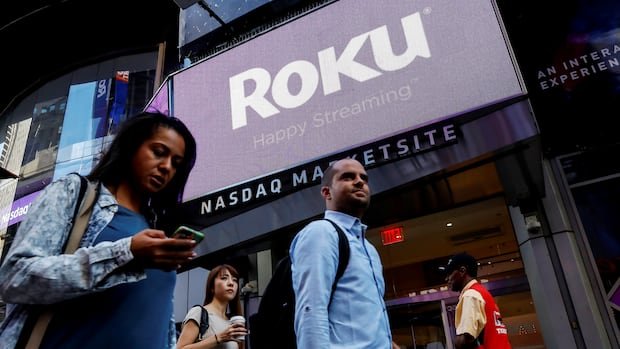
Artificial intelligence has ventured into the realm of television with the launch of its own channel on the Roku platform. Fairground AI Creator TV, offering round-the-clock AI-generated content for free, quietly joined Roku’s channel lineup without an official announcement from the streaming giant. Initial reactions suggest that viewers may not be embracing the new AI channel warmly.
Critics like Frank Landymore of Futurism and Bradly Shankar of MobileSyrup have expressed dissatisfaction with Roku’s move, labeling the AI content as “slop” and questioning its relevance in an already saturated streaming market. Fairground AI operates as a FAST (Free Ad-supported Streaming Television) channel, catering to online audiences seeking cost-free viewing options.
While Fairground AI’s channel is not currently available on Roku in Canada, the company has hinted at potential expansions. Roku, known for its widespread popularity in the streaming industry, was recently acquired by Fox in a multi-billion dollar deal, highlighting its significant global reach.
The introduction of the AI channel aligns with the growing trend of AI-generated content across various entertainment mediums. Tribeca Festival showcased an AI-generated film earlier this year, while Hasbro announced plans to create AI-powered versions of its iconic characters. As AI continues to shape the digital landscape, the debate over its impact on creativity and content creation intensifies.
Fairground AI’s CEO, Colin Petrie-Norris, remains optimistic about the channel’s future, drawing parallels to the evolution of content on platforms like YouTube. Despite skepticism, he believes AI creators will eventually gain recognition and influence in the entertainment industry.
Experts like Fenwick McKelvey from Concordia University suggest that the shift towards AI content reflects a broader industry trend aimed at maximizing platform engagement and cost-efficiency. However, concerns persist around issues such as copyright infringement and data privacy violations in the AI sector, underscoring the need for regulatory scrutiny and ethical considerations.
The discussion around AI-generated content raises critical questions about the future of creative industries and the rights of human creators. Organizations like the Alliance of Canadian Cinema, Television, and Radio Artists advocate for stricter regulations to protect artistic integrity and ensure fair compensation in a rapidly evolving digital landscape. The clash between economic incentives and cultural preservation remains a central challenge in navigating the AI revolution.

