

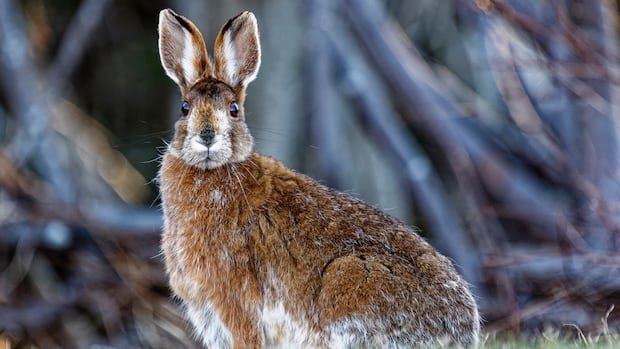
Snowshoe hares have become more prevalent on Prince Edward Island following post-tropical storm Fiona, according to a provincial wildlife biologist. Garry Gregory from P.E.I.’s fish and wildlife division noted an increase in reports from Islanders who have observed an abundance of “rabbits” in their surroundings. However, these creatures are not rabbits, as rabbits are not indigenous to the province. Gregory confirmed that the sightings are most likely snowshoe hares.
While there is no formal data tracking the rise in the snowshoe hare population, Gregory suggested that alterations to the landscape post-Fiona make it reasonable to assume an increase. The storm in 2022 left behind dense debris in forests and woodlots, creating ideal escape cover for hares. This cover has provided protection, making it difficult for predators to access the hares, resulting in more hares surviving and potentially leading to a population boost.
The aftermath of Fiona also brought about new growth in the forest canopy due to downed trees, allowing for the flourishing of plants that hares depend on for winter sustenance. Gregory highlighted plants like willows, grey birch, maples, and pin cherry as essential food sources for snowshoe hares during the winter months. This new habitat has not only benefited hares but also other wildlife species like songbirds such as chestnut-sided and yellow warblers.
Gregory emphasized that Islanders encountering hares in their yards need not take any action, except perhaps safeguarding vegetable gardens. He cautioned against feeding the hares, as they have abundant natural food sources in the summer and can be wary of human-provided food. Feeding hares could also attract them closer to dogs, potentially endangering the hares. Additionally, Gregory addressed concerns about ticks on hares, clarifying that the tick species commonly found on hares are not the ones associated with Lyme disease and pose minimal health risks unless the infestation is severe.

