

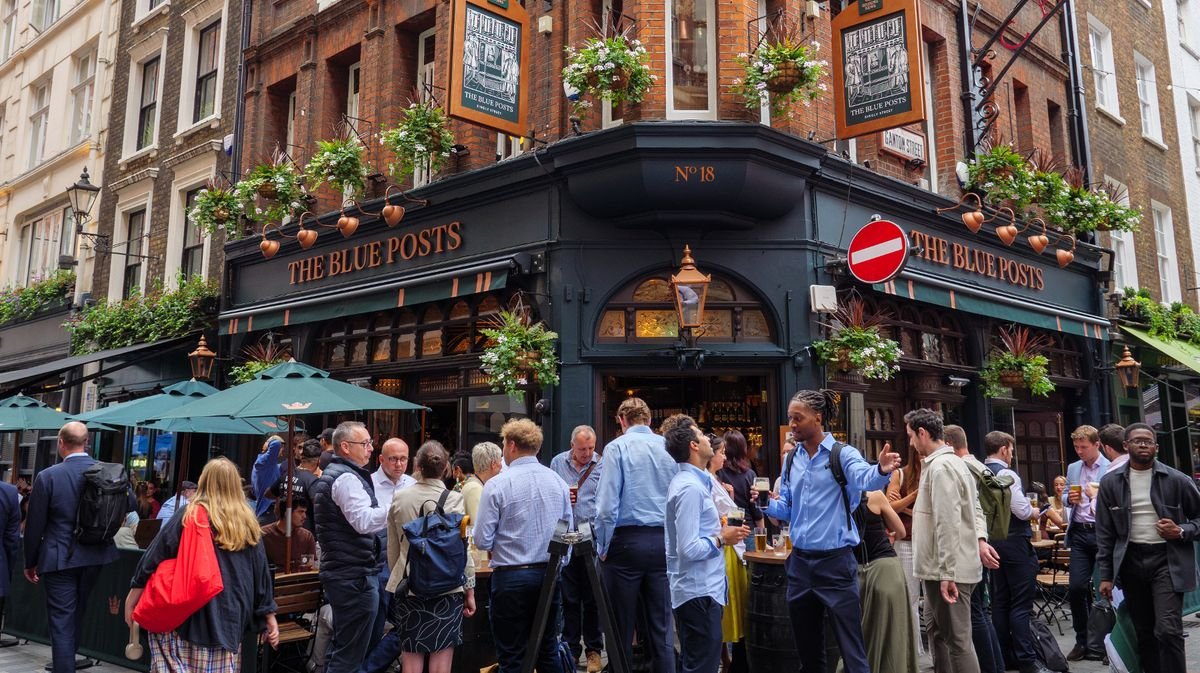
Pubs in London could soon prohibit patrons from standing and ordering drinks at the bar, according to proposed measures by Westminster council. The council, responsible for overseeing pub licensing regulations in Soho and the West End areas, is suggesting a ban on bar service and cracking down on “vertical drinking.” Establishments seeking licenses may face requirements such as serving drinks through waitstaff rather than at the bar.
These changes may signal the end of casual conversations over pints at the bar, with potential restrictions on alcohol serving times. Soho and the West End are renowned for their post-work drinks scenes and as gathering spots for theatergoers.
The draft licensing policy aims to discourage excessive drinking and promote more seating arrangements in alcohol-serving premises to enhance the customer experience. Westminster council aims to address issues with large groups congregating outside pubs, as reported by The Sun. Critics argue that the proposed measures could erode the vibrant pub culture in the area and add to the challenges faced by struggling businesses.
London Mayor Sadiq Khan criticized the “restrictive and anti-growth” policies and expressed intentions to intervene using new powers to prevent councils from excessive interference. The Night Time Industries Association’s CEO, Michael Kill, emphasized the significance of standing in pubs as a traditional element of British pub culture, facilitating social interactions and creating a unique ambiance for patrons.
In addition to the restrictions on standing and bar service, Westminster council is contemplating restrictions on the opening of new pubs and bars in Soho and the West End. Councillor Tim Barnes, Deputy Leader and Cabinet Member for Growth and Planning at Westminster City Council, highlighted the council’s goal of ensuring a positive and orderly nightlife in the West End by encouraging venues to manage customer behavior responsibly.
With approximately 4,000 licensed venues in the area, the council approves the vast majority of license applications, rejecting fewer than 1.5%. It aims to balance the vibrancy of the nightlife scene with public safety and community well-being.

