

Former professional footballers are increasingly at risk of developing a brain disease, according to campaigners. John Stiles, aged 62 and son of the renowned 1966 World Cup icon Nobby Stiles, is advocating for a fund to assist with the expenses associated with Chronic Traumatic Encephalopathy (CTE) resulting from heading the ball.
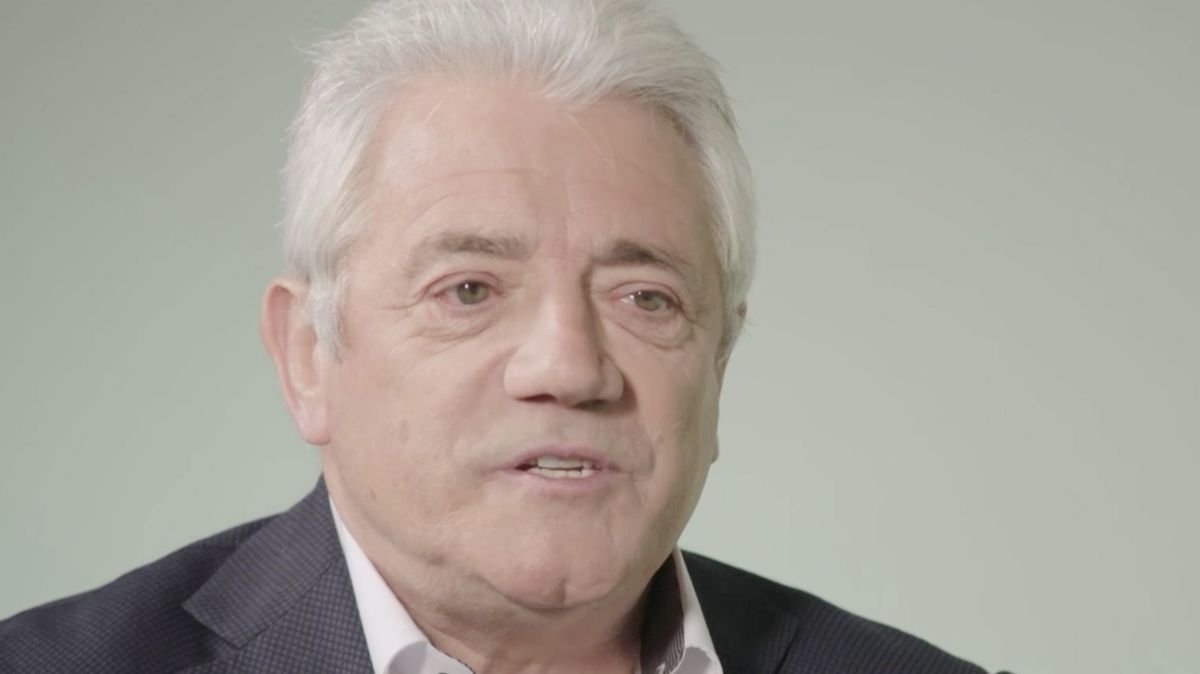
Kevin Keegan, the former England manager, expressed support to Stiles before his unfortunate passing, urging him to persevere. Stiles, a former Leeds player, emphasized Keegan’s significant role in raising awareness about CTE.
Tragically, several players, including Nobby Stiles, Scotland’s Gordon McQueen, England’s Jeff Astle, and Northern Ireland’s Chris Nicholl, have lost their lives to the brain disease linked to repetitive heading of the ball.
Nobby Stiles, who passed away in 2020 at the age of 78, was reported by a coroner to have died due to the cumulative effects of heading the ball, an action he performed approximately 136,000 times during his career.
Even Stiles’ 12-year-old grandson, George, is conscious of the risks of CTE, as he apologized for heading the ball to prevent a goal in a recent youth match. Stiles, hailing from Doncaster, South Yorkshire, highlighted the potential unprecedented impact on players in the future.
Stressing the need for substantial support, Stiles criticized the £1 million fund established by the FA and Premier League as inadequate. He pointed out the financial burden currently borne by families and taxpayers for the treatment of ex-professionals, calling for a fund similar to the $1.5 billion initiative in the United States.
With an estimated 55,000 former footballers in England, research indicates a concerning number of 16,500 to 27,500 footballers could be affected by dementia, a situation Stiles described as scandalous. He also expressed worries about the rising popularity of women’s football and its potential impact on players.
Nobby Stiles, born in Manchester in 1942, had a distinguished career, making 395 appearances for United and earning 28 caps for England. Despite personal doubts, he played every minute during the historic 1966 World Cup campaign.
In response, an FA Spokesperson emphasized the ongoing scientific research on the link between heading in football and long-term brain health. They highlighted the efforts made to enhance player welfare and safety across all levels of English football through comprehensive guidelines and concussion protocols.
The FA spokesperson also mentioned the investment in independent research projects to gain deeper insights into this complex area.

