

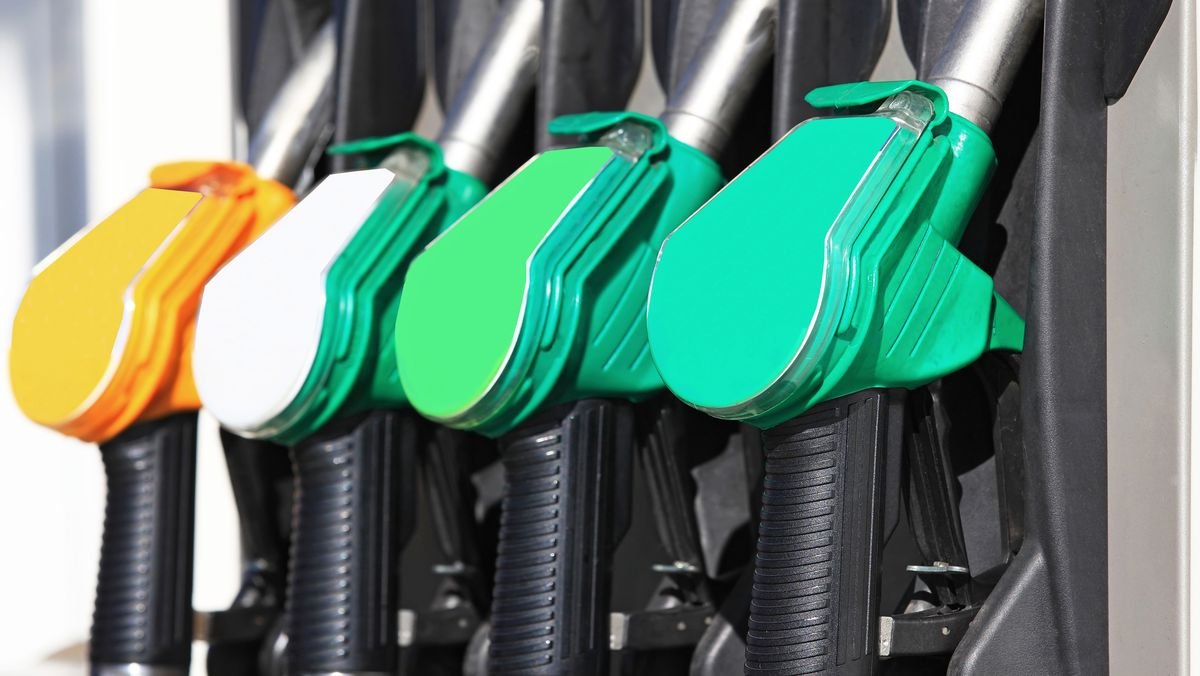
Fuel prices are on the rise again after a period of decline, driven by escalating global oil prices due to renewed tensions in the Middle East. This uptick in prices is impacting UK motorists, with petrol costs steadily increasing, and diesel prices rising even faster. The fluctuation in fuel prices is a reminder of the importance of choosing where to purchase fuel wisely.
The disparity between the cheapest and most expensive petrol stations in the same area can exceed 10p per liter, translating to a significant annual cost difference for families refilling a standard 55-liter tank. Fortunately, there are various strategies available to mitigate the impact of rising fuel prices. Options range from utilizing supermarket loyalty programs to utilizing government-endorsed fuel comparison tools to help consumers manage and reduce their fuel expenses effectively.
The recent introduction of the Government’s Fuel Finder initiative in the UK has mandated petrol stations to report their prices electronically, enabling the development of free websites and apps that provide real-time fuel pricing information. By regularly comparing prices and opting for supermarket forecourts, drivers can potentially save around £40 annually, with even greater savings achievable in certain regions.
Supermarkets typically offer petrol at a lower price compared to premium branded stations, with an average cost difference of around 5p per liter. By shopping strategically and taking advantage of promotions like Asda Rewards, where customers spending £40 or more can unlock a 5p per liter fuel voucher, motorists can accrue substantial savings on fuel expenses. Additionally, monitoring loyalty card promotions and personalized offers can further contribute to cost reduction.
Although supermarket fuel is often perceived as the most economical option, independent filling stations, particularly in competitive local markets, can often provide better deals. By adopting fuel-saving driving habits, such as maintaining proper tire pressure, minimizing vehicle weight, and driving efficiently, motorists can enhance fuel efficiency and reduce overall fuel costs.
In light of increasing fuel prices, making informed decisions about where to refuel and implementing fuel-saving practices can lead to significant savings over time. Utilizing comparison apps, taking advantage of supermarket discounts, and being mindful of efficient driving practices are effective ways for consumers to navigate the evolving fuel market and manage their expenses more efficiently.

