

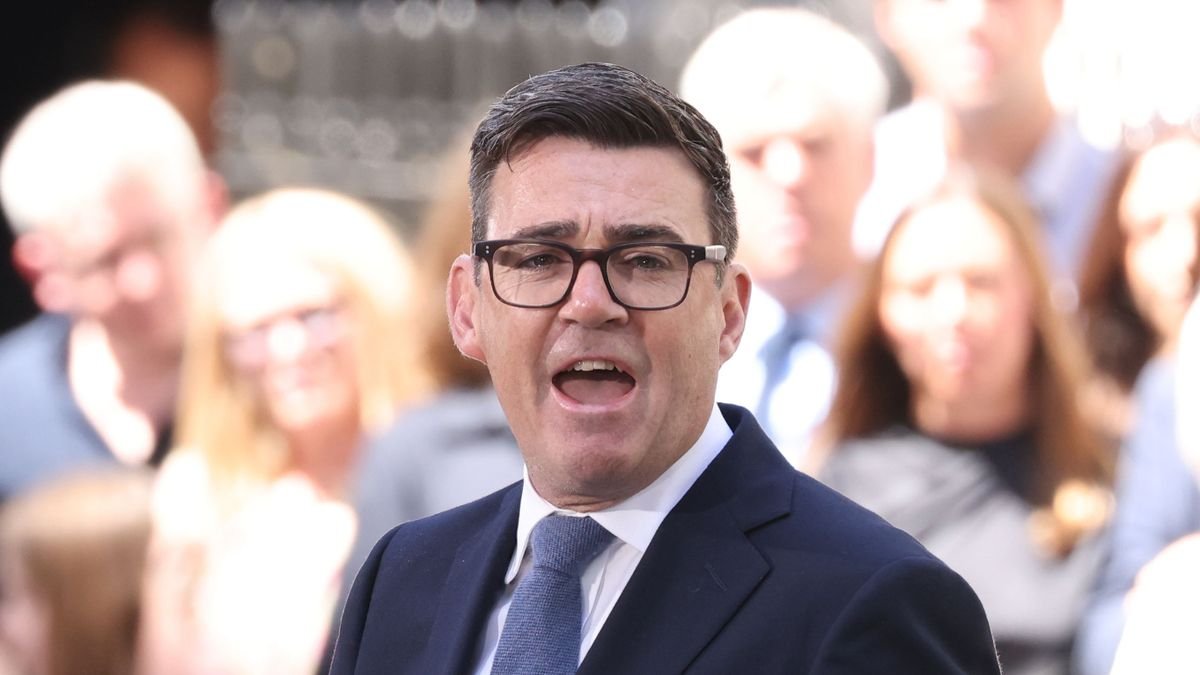
Andy Burnham arrived at Downing Street this week with a strong determination to leave a lasting impact. His commitment to tackling rough sleeping resonated with some Labour MPs who had been seeking a defining cause for Keir Starmer. Demonstrating his resolve, Burnham swiftly implemented measures to ease financial burdens on voters by reducing VAT on energy bills, lowering business rates for pubs, and imposing a £2 price cap on single bus journeys.
Early supporters of Burnham praised his energetic approach, considering it a much-needed boost following disappointing local elections. By addressing pressing public concerns, Burnham not only engaged with the electorate but also signaled his understanding of the issues that had alienated Labour voters.
A source from Downing Street highlighted Burnham’s keen awareness of public sentiment and his proactive response to challenges. The reshuffle he conducted included a significant overhaul of Starmer’s allies, signaling a shift in leadership direction. While the secrecy surrounding his Cabinet appointments stirred curiosity among civil servants, Burnham’s retention of key figures like Shabana Mahmood and Pat McFadden hinted at forthcoming policy battles.
Despite initial chaos during the transition, observers anticipate stabilization as Burnham’s team settles in. The new direction set by Burnham, marked by cost-of-living initiatives and progressive stances, garnered support from various quarters within the party. However, the decision to grant a peerage to Anas Sarwar stirred controversy within Scottish Labour, reflecting differing views on leadership roles.
As the dust settles on Burnham’s first week in office, the focus shifts to the implementation of solutions to match his problem analysis. The transition period has seen changes in staffing, with implications for those involved in Burnham’s election campaign. Amidst the adjustments, expectations are high for Burnham’s leadership to deliver on promises and navigate the political landscape effectively.

