

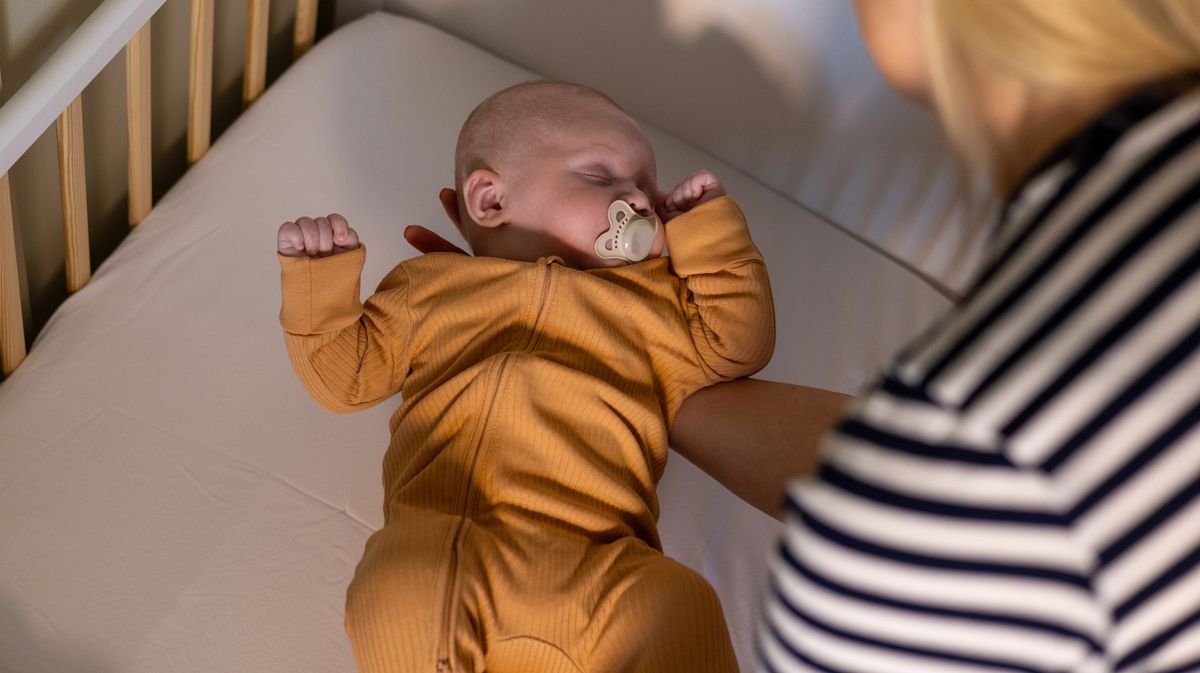
Parents are being cautioned about dangerous baby products being sold on various popular online platforms. An investigation by Which? uncovered 150 items, including self-feeding products, baby sleep pillows, and baby sleeping bags, that fail to meet safety standards and pose risks such as suffocation, choking, and overheating for infants. These products were found on e-commerce websites like Alibaba, AliExpress, Amazon, eBay, Etsy, OnBuy, TikTok Shop, and Wish.
The Office for Product Safety and Standards (OPSS) issued a safety alert in 2022 regarding self-feeding products, warning about the potential risk of choking or aspiration pneumonia. Despite OPSS recommendations to remove these products, Which? discovered 54 baby self-feeders still available for sale.
Concerns have also been raised about baby sleep pillows, which have been associated with child fatalities both in the UK and abroad. In 2025, OPSS issued a separate warning stating that these pillows are unsafe for infants under 12 months old due to risks of suffocation and overheating. Which? identified 37 pillows marketed for infants under 12 months, some labeled with terms like “newborn” or “infant.”
Additionally, researchers found 59 baby sleeping bags deemed unsafe due to a significant risk of suffocation. These sleeping bags often featured hoods that could cover a baby’s face or lacked arm holes, posing a hazard where a sleeping infant could slide down inside.
Sue Davies, Head of Consumer Protection Policy at Which?, expressed concern over the availability of these dangerous products on online platforms. She emphasized the need for stricter product safety regulations for online marketplaces to ensure the well-being of consumers, particularly infants.
Various online platforms responded to the findings, with Alibaba, AliExpress, Amazon, eBay, Etsy, OnBuy, and TikTok Shop taking action to remove non-compliant products and enhance control measures. However, Wish did not provide a response when contacted by Which? for comment.
It is essential for online marketplaces to prioritize consumer safety and comply with regulations to prevent the sale of hazardous products, especially those intended for vulnerable populations like infants.

