

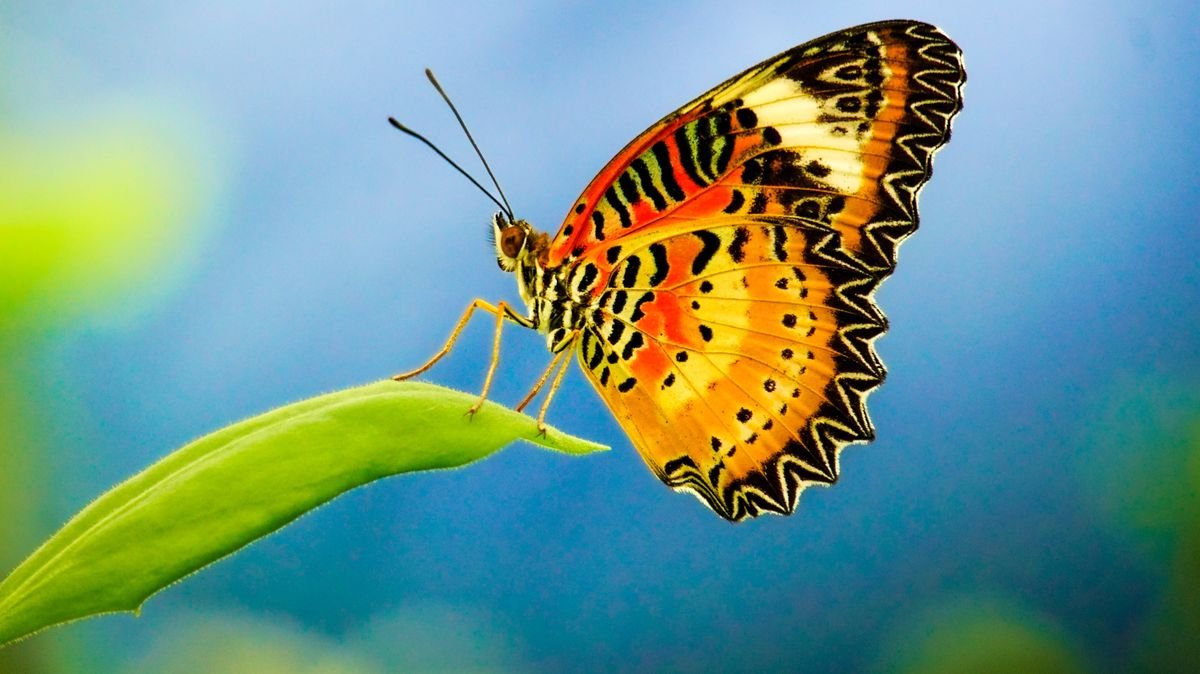
The size of your garden doesn’t matter when it comes to creating a welcoming environment for wildlife year-round with various plants and shrubs.
To attract beautiful animals like colorful butterflies and buzzing bees, consider including specific plants in your garden.
According to Ceri Thomas, the Editor of Which? Gardening, shrubs not only enhance the appearance of your garden but also play a crucial role in attracting and providing shelter for wildlife, transforming your garden into a natural sanctuary.
With a background in horticulture and extensive experience in editing gardening content, she has curated a list of both native and non-native shrub varieties to support garden visitors throughout the year.
Thomas emphasizes the importance of being proactive in caring for wildlife during the summer months. By planting blossoms that attract small insects, you can create a food source for birds. Additionally, maintaining bird feeders and providing fresh water can further support wildlife.
She highlights Hebes as a favorite garden plant native to New Zealand, known for attracting various insects like bees and hoverflies. The evergreen foliage of Hebes offers shelter to small birds year-round and requires minimal maintenance.
Another recommended shrub is the elder, which blooms in June and July, providing bright flowers that turn into berries, offering nourishment to birds. Elders are hardy growers commonly found in hedgerows along ditches and fields.
For gardens, the Buddleja globosa, also known as the ‘orange ball tree’, is suggested by the expert as an alternative to wild buddleia. This shrub, nicknamed the ‘butterfly bush’, attracts butterflies during the day and bees and moths at night. Pruning back the stems in March promotes vigorous growth and a vibrant flower display.
Consider the orange variety of Buddleja globosa, which grows slightly slower than the purple one. Pruning after the flowering season while leaving some longer stems in winter can protect bugs and wildlife.

