

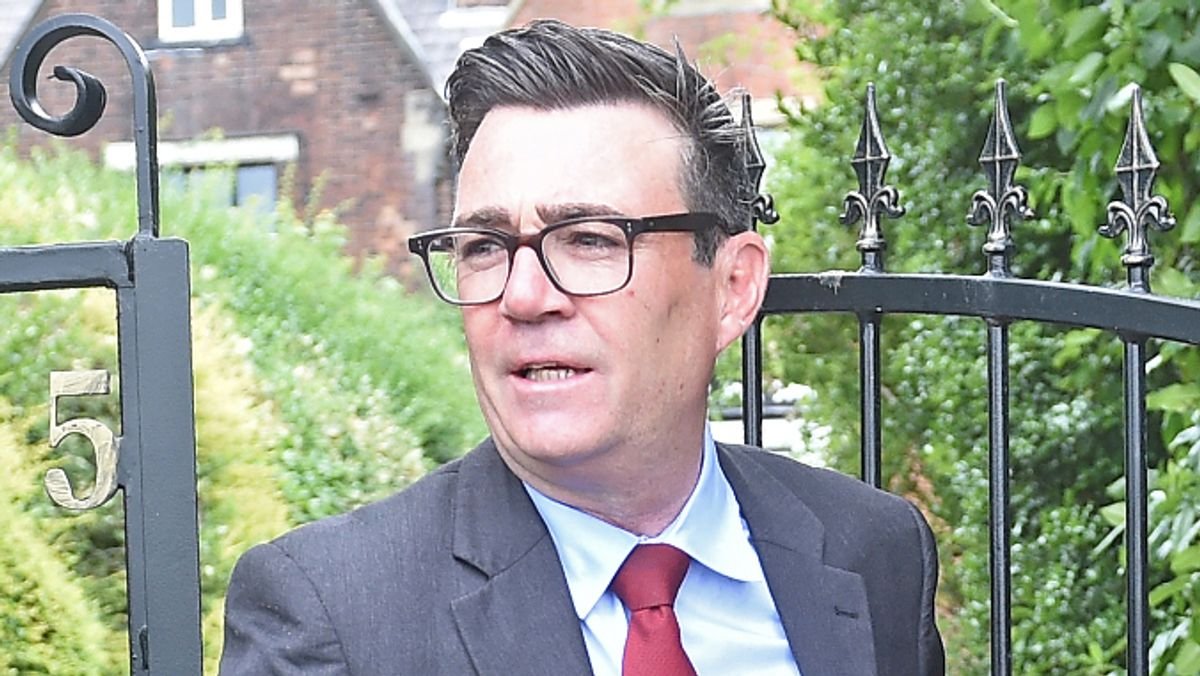
Andy Burnham is set to embark on a decade-long mission to enhance living standards as he unveils his vision for the future of Britain. With an imminent transition to the role of Prime Minister, Burnham is committed to elevating the country’s status and reshaping the political landscape to better serve its citizens.
In a highly anticipated address in Manchester, Burnham is expected to emphasize his intention to redistribute power from central authorities to local communities and individuals who can make the most effective use of it. Acknowledging the erosion of public trust in politics by his generation, Burnham acknowledges the need to take responsibility for rebuilding this trust.
Following his recent election as the MP for Makerfield, Burnham’s ascendancy to power seems imminent, with Keir Starmer’s announcement of stepping down further solidifying Burnham’s path to leadership. The absence of a rival candidate has intensified expectations for Burnham to outline his plans before assuming office.
In his upcoming speech, Burnham will advocate for a significant shift in governance by decentralizing power from Whitehall, marking one of the most substantial transfers of authority in recent history. The proposed reforms include granting mayors increased decision-making autonomy and funding, potentially enabling combined authorities to retain the entirety of generated business rate increments to attract investments locally.
Central to Burnham’s agenda is the establishment of a “No10 in the north” to drive devolution and coordinate revitalization efforts across different regions, aiming for equitable economic growth nationwide. His strategic roadmap includes a ten-year initiative focusing on enhancing living standards through industrial revitalization, infrastructure development, and restructuring essential services like water supply.
Drawing from the successful model implemented in Greater Manchester, Burnham advocates for a collaborative approach involving government, business, universities, and local communities. He envisions a new political ethos prioritizing community welfare over party interests, problem-solving over political point-scoring, and long-term planning over short-sighted policies.
Addressing the challenges faced by young individuals not in education, employment, or training (Neets) will be a cornerstone of Burnham’s policy agenda. He proposes significant reforms in the education system to promote alternatives to traditional university education, fostering parity between academic and technical training.
Furthermore, Burnham pledges to maximize support for British jobs and industries through public sector contracts, incentivizing increased work placements and apprenticeships. Amidst growing support from senior Labour figures and MPs, Burnham’s leadership bid appears increasingly unchallenged, setting the stage for a transformative era under his stewardship.
As speculation mounts over the composition of his top team, government officials and MPs vie for influential positions within the Cabinet. Labour’s deputy leader Lucy Powell, a staunch Burnham supporter, endorsed Ed Miliband as a potential Chancellor, emphasizing the need to prioritize job creation and economic opportunities across the country over internal political maneuvering.
Powell dismissed discussions regarding Cabinet appointments as “unedifying,” underscoring the importance of fostering employment, affordable housing, and economic prosperity for all citizens. In the lead-up to assuming office, Burnham’s commitment to realizing substantial reforms and fostering inclusive growth remains at the forefront of his agenda.

