

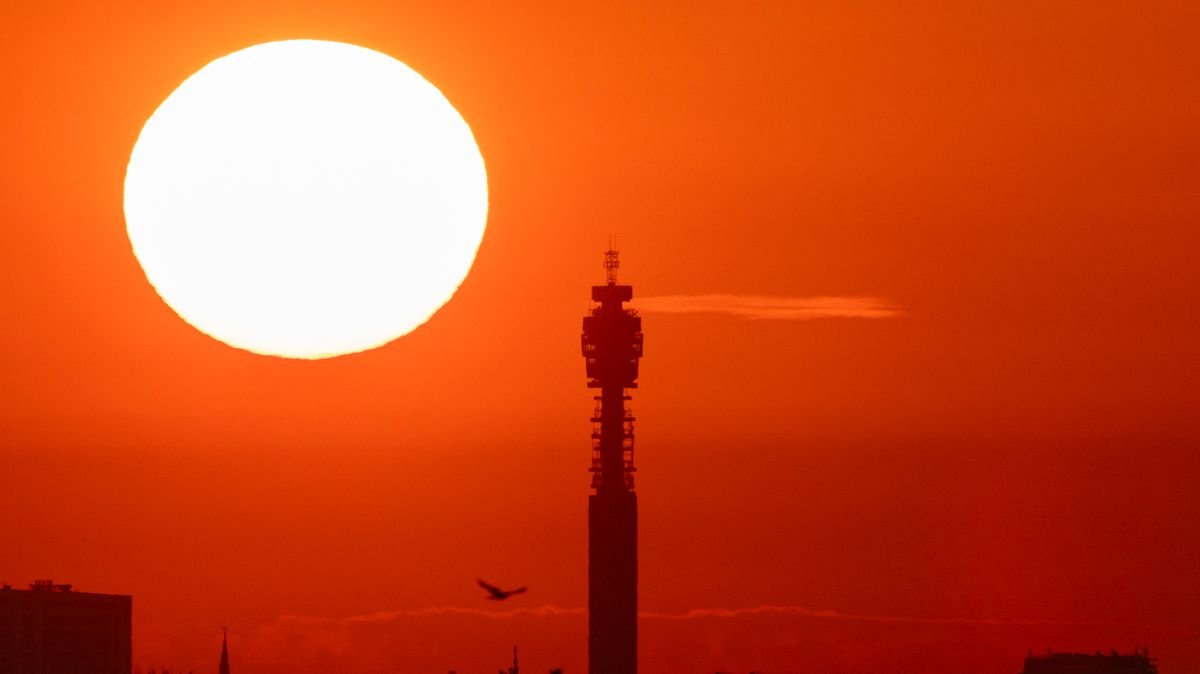
Due to extreme heat, a climate event focused on extreme heat has been called off by its organizers, highlighting an ironic twist in circumstances.
Scheduled to occur at the Shaw Library at the London School of Economics (LSE) as part of Climate Action Week, the event was canceled following a red weather warning issued by the Met Office for extreme heat in southern England, including London, spanning from 9 a.m. on Wednesday to 9 p.m. on Thursday.
Dubbed ‘Extreme Heat: Improving Governance and Strengthening Action Around the World,’ the conference was organized by LSE’s Grantham Research Institute in partnership with the Zurich Climate Resilience Alliance.
The event aimed to address the urgent necessity for enhancing global governance related to extreme heat and evaluate various countries’ responses through governance, policies, adaptation measures, and the associated challenges.
The cancellation coincides with numerous schools announcing full or partial closures due to the ongoing extreme weather conditions.
A “heat dome” enveloping western Europe is expected to bring temperatures nearing 40°C by Wednesday, potentially surpassing the UK’s June record of 35.6°C set in Hampshire back in 1976.
In a social media post on Tuesday, the Zurich Climate Resilience Alliance announced the event’s cancellation, citing the lack of cooling mechanisms in the venue and the potential risks to attendees’ wellbeing due to the extreme indoor conditions exacerbated by hot journeys to the location.
Highlighting the importance of global mitigation efforts, local heat governance, and response strategies, the alliance expressed regret to all intending participants and advised London residents to prioritize safety.
This development follows Professor Fredi Otto’s remarks during a media briefing, where she emphasized the increasing frequency and intensity of heatwaves due to ongoing emissions, stressing the inadequacy of current infrastructure and systems to handle such extreme conditions.
Dr. David Dawson from the University of Leeds also warned about the escalating occurrence and duration of heatwaves, projecting that by the 2050s, 92% of UK homes could face overheating issues.
Additionally, a report from the Met Office in May indicated an 86% likelihood of a hotter year between 2026 and 2030 compared to the record hottest year of 2024, along with a 91% probability of temperatures exceeding 1.5°C above pre-industrial levels within the next five years.
Exceeding the 1.5°C threshold as set by the Paris Agreement could lead to severe climate impacts such as ecosystem degradation, species extinction, extreme weather events, food and water shortages, heat-related fatalities, and substantial sea-level rise from melting ice sheets in Greenland and Antarctica.
For quick access to valued news, make Daily Mirror your ‘Preferred Source’ on Google News.
<p class="C

