

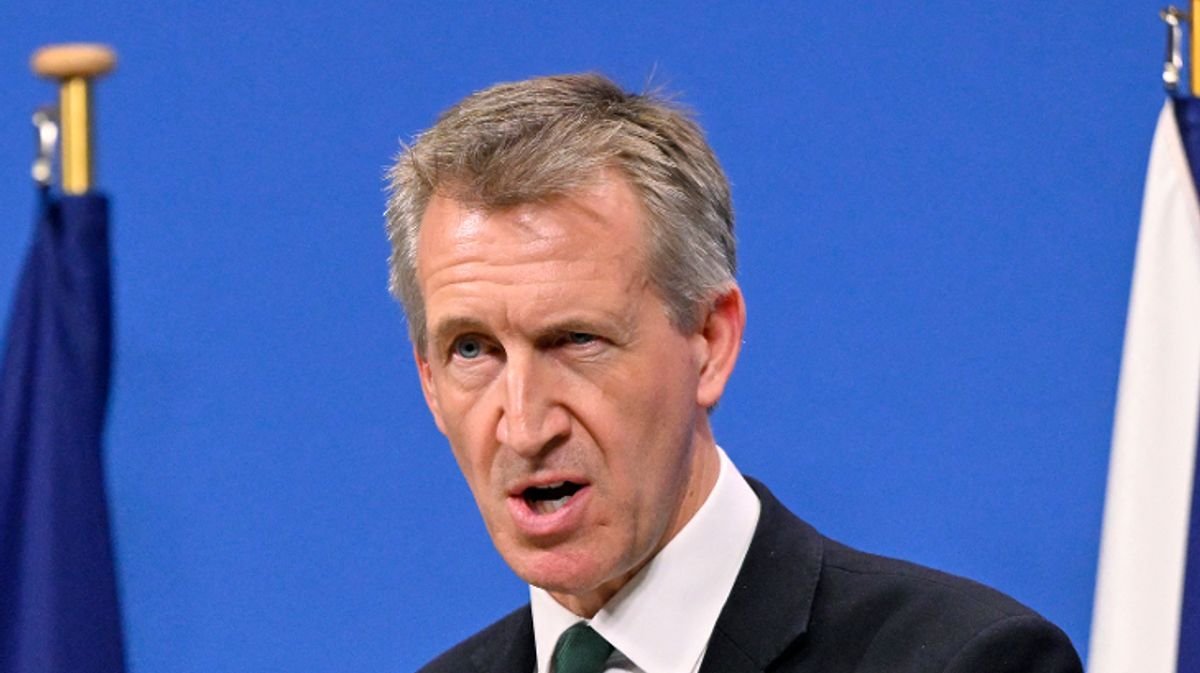
The United Kingdom’s newly appointed Defence Secretary is diligently working to finalize a comprehensive military spending plan amidst a contentious dispute over government funding. Dan Jarvis acknowledged the current challenging situation as he met with Nato counterparts in Brussels without a fully secured funding strategy for the nation’s defense. The delayed defense investment plan (DIP) faced uncertainty after the abrupt resignation of former Defense Secretary John Healey, who criticized Keir Starmer for insufficient funding to ensure Britain’s safety.
Nato Secretary-General Mark Rutte urged member states to present clear and credible plans to increase defense spending by an upcoming summit. Although Starmer committed to meeting Nato’s defense spending target of 3.5% of GDP by 2035, the detailed roadmap to achieve this goal remains unspecified.
Addressing the summit, Mr. Jarvis emphasized the critical nature of the international security landscape and the importance of the discussions taking place. While refraining from disclosing specific defense spending plans, he emphasized his serious approach to fulfilling his responsibilities as Defense Secretary, ensuring that the armed forces have adequate resources to address the challenging security environment.
Jarvis emphasized the urgency of equipping the armed forces appropriately and working tirelessly with government colleagues to finalize the defense investment plan. In a significant announcement, the UK pledged to provide Kyiv with its largest-ever drone package, comprising 150,000 drones, 350 air defense missiles, and radars by year-end, funded by a portion of a £2.26 billion loan to Kyiv sourced from profits of seized Russian assets.
Meanwhile, US Defense Secretary Pete Hegseth reiterated his criticism of Nato, accusing allies of “free-riding” and failing to fulfill commitments, particularly citing lack of support in the Iran conflict. Hegseth emphasized the need for all Nato members, especially wealthier countries, to meet their obligations and stop relying on others to bear the burden of defense expenditures.

