

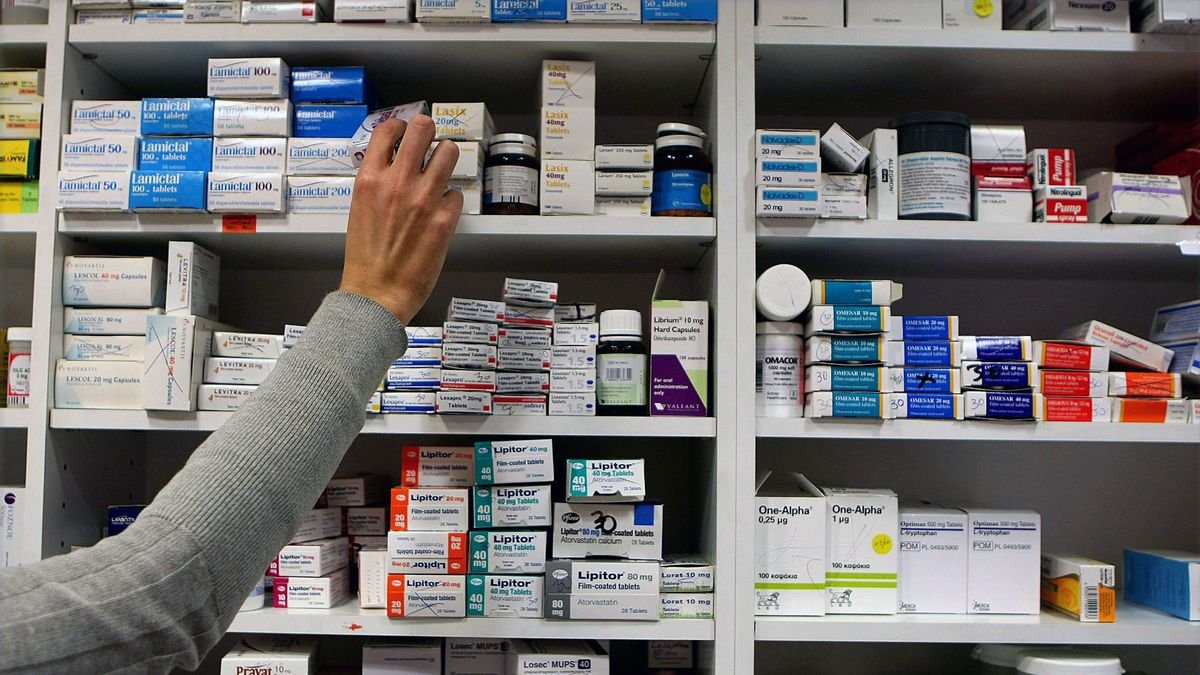
Pharmacists are raising alarms about the risks to patient safety caused by shortages of essential medicines. A wide range of medications, from painkillers and antibiotics to drugs for managing conditions like epilepsy, pancreatic cancer, cystic fibrosis, diabetes, and ADHD, are currently in short supply. To address these shortages, Serious Shortage Protocols have been implemented to allow alternative prescriptions.
Ashley Cohen, a pharmacist with nearly 35 years of experience and a National Pharmacy Association Board Member, expressed grave concern over the current medicine scarcity. He emphasized that the situation has escalated to a critical patient safety issue, particularly for individuals reliant on medications for conditions like epilepsy, where a lack of treatment could lead to severe consequences, including hospitalization or even death.
The shortages are attributed to soaring global prices, inadequate government funding, and supply disruptions caused by geopolitical issues, such as the Iran war and the closure of the Strait of Hormuz. The National Health Service (NHS) has been challenged by the increasing number of drugs exceeding the government’s designated price, with a record number of 210 medications listed under price concessions in April.
Mr. Cohen pointed out that global pharmaceutical manufacturers prioritize selling drugs to countries offering higher prices, leading to delayed or insufficient supply to the UK market. This disparity in pricing strategies has left pharmacies struggling to secure essential medications like Creon, crucial for patients with pancreatic cancer and cystic fibrosis.
The medicine shortages have forced some patients, like Cathy Moreau from Wandsworth, to seek their medications abroad due to the unavailability in the UK. The situation has sparked concerns about potential black market activities and risks associated with obtaining medicines from unregulated sources.
The National Pharmacy Association conducted a survey revealing that 96% of pharmacies perceive the shortages as a significant threat to patient safety. The organization is urging the government to establish an emergency taskforce involving all stakeholders in the supply chain to address the crisis and ensure patients’ access to essential medicines.
Healthcare professionals, including Dr. Leyla Hannbeck from the Independent Pharmacies Association and Professor Victoria Tzortziou Brown from the Royal College of GPs, have echoed these concerns, emphasizing the urgent need for collaborative efforts to mitigate the impact of medicine shortages on patient care.
In response to these challenges, the Department of Health and Social Care affirmed its commitment to ensuring a stable supply of medicines in the UK market. The government has earmarked substantial investments to bolster the country’s medicine manufacturing industry and maintain a secure drug supply chain.
The call for action to address the medicine shortages is gaining momentum, with healthcare organizations advocating for enhanced collaboration among stakeholders and regulatory changes to streamline the prescription process during medication unavailability. The focus remains on safeguarding patient health and well-being by swiftly resolving the underlying causes of medicine scarcity.

