

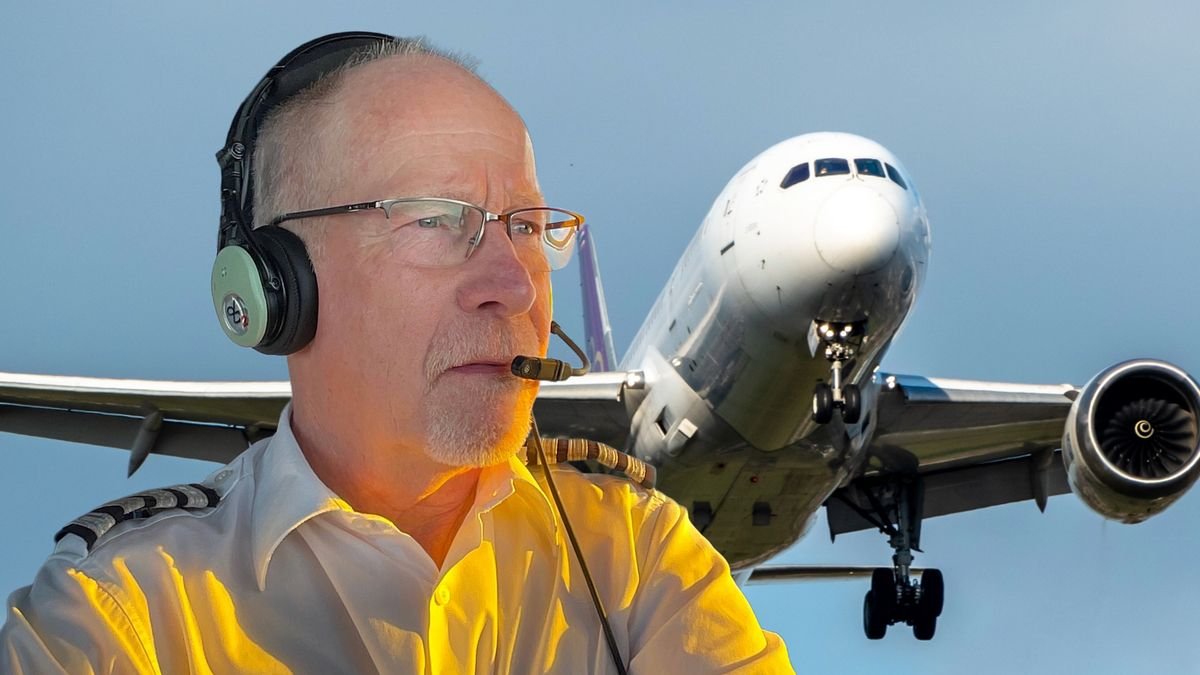
Flying can be a source of anxiety for many people, leading to a mix of anticipation and fear during every trip. Aviophobia, commonly known as the fear of flying, is a widespread issue that often stems from feeling powerless in an unfamiliar environment. This fear is shared by many individuals who find themselves questioning the safety and mechanics of air travel.
While seeking advice from fellow nervous flyers on platforms like Reddit or Facebook is common, opportunities to hear directly from experienced pilots are rare. Fortunately, I had the chance to speak with Simon Tranter, a pilot with extensive experience in both military and commercial aviation, now serving as the head of training at EmPower Flight. Additionally, I had a conversation with Dan Bubb, a former commercial pilot who now teaches aviation at the University of Nevada, Las Vegas.
Simon emphasized that the cost of a ticket does not correlate with safety standards in aviation. All airlines are bound by strict regulatory laws and safety measures, regardless of their pricing or amenities. He pointed out that budget airlines often operate with newer aircraft equipped with advanced safety technology, focusing their cost-saving measures on business operations rather than compromising safety.
Dan reinforced Simon’s point by highlighting that all airline pilots, regardless of the airline they work for, undergo rigorous training and adhere to the same high standards of safety and professionalism. He emphasized that budget airlines are as safe as their more expensive counterparts, with safety being a top priority across the industry.
Addressing common concerns about turbulence, Simon reassured that while turbulence can be uncomfortable, it rarely poses a significant threat to the safety of the aircraft. He compared turbulence during a flight to driving over cobblestones slowly, noting that ensuring seatbelt fastening is crucial to prevent any spills or injuries during sudden bumps.
Dispelling myths about aircraft doors, Simon explained that it is physically impossible for passengers to open the plane door mid-flight due to the design and air pressure dynamics. He emphasized the strength of aircraft doors and the safety measures in place to prevent any unauthorized attempts to open them.
Simon and Dan highlighted the extensive training and preparedness of cabin crew members in handling emergencies with professionalism and discretion to maintain passenger safety and comfort. They emphasized that cabin crew undergo regular emergency training to ensure they can manage any situation effectively.
In terms of aircraft safety features, Simon mentioned that modern airliners are built with redundant systems to handle various scenarios, such as engine failures. He explained that even in the rare event of both engines failing, planes are designed to glide safely to a landing site, with pilots trained to handle such situations effectively.
Both pilots emphasized the high safety standards in commercial aviation, with Simon pointing out statistics showing that flying is statistically safer than many everyday activities like walking or driving. He highlighted the rigorous training and protocols in place to ensure the safety of passengers and crew members during flights.
Simon and Dan also addressed common concerns about aircraft windows, phone usage, lightning strikes, bird strikes, and the role of autopilot systems in modern aircraft. They provided insights into the safety mechanisms and protocols that ensure a secure and smooth flying experience for passengers.
Overall, the conversations with Simon and Dan shed light on the meticulous training, safety measures, and advanced technologies that contribute to the high safety standards in commercial aviation. Their expertise and experience provide reassurance to passengers about the safety and professionalism of airline operations.

