

Oil prices experienced a decline this week as optimism grew surrounding a potential US-Iran peace agreement that could lead to the reopening of the crucial Strait of Hormuz. Tehran and Washington are expected to finalize the deal in Switzerland, but specific details are yet to be disclosed.
US President Donald Trump stated that Iran has agreed to never possess nuclear weapons, and the Strait of Hormuz will promptly reopen and operate without tolls. The price of Brent crude dropped below $80 per barrel, signaling hope for the resumption of activity in the significant shipping route. During the Iran conflict, oil prices had surged above $120.
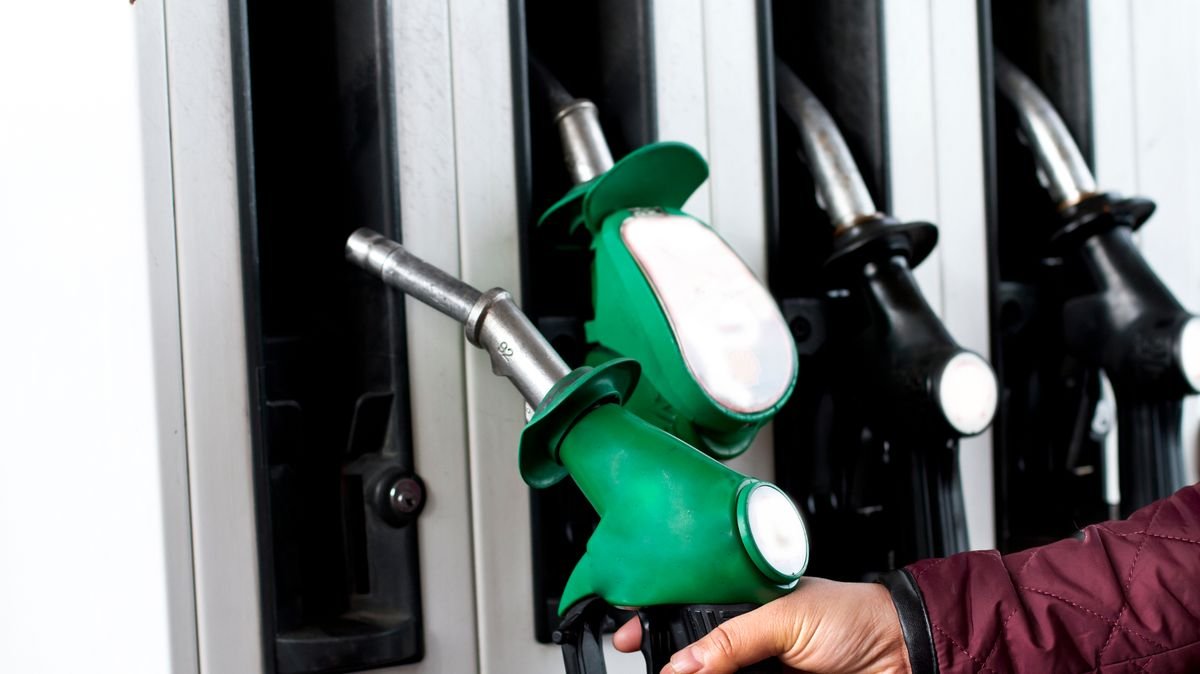
The RAC anticipates that the ongoing decrease in oil prices will benefit drivers who have been facing escalating petrol and diesel costs in recent months. Unleaded petrol currently averages 155.45p per liter, down from its peak of 159.53p on May 28 during the Iran crisis. Diesel prices have also fallen to an average of 175.86p per liter from a peak of 191.54p on April 15.
Simon Williams, the head of policy at RAC, suggested that motorists could potentially witness further reductions in fuel prices within the next two weeks. He projected that if oil consistently trades around $85, petrol prices could decrease to 148p per liter from the current average of 156p, while diesel prices could fall to under 160p from the current average of 177p.
Drivers are encouraged to utilize driving apps to compare fuel prices effectively, ensuring they maximize their savings. UK forecourts are now mandated to promptly report price changes to a Fuel Finder database, which is then shared with various apps for motorists to compare prices.
Chancellor Rachel Reeves emphasized the shared responsibility of petrol retailers to maintain affordable prices for drivers, underscoring the need for cooperation in keeping fuel costs down.

