

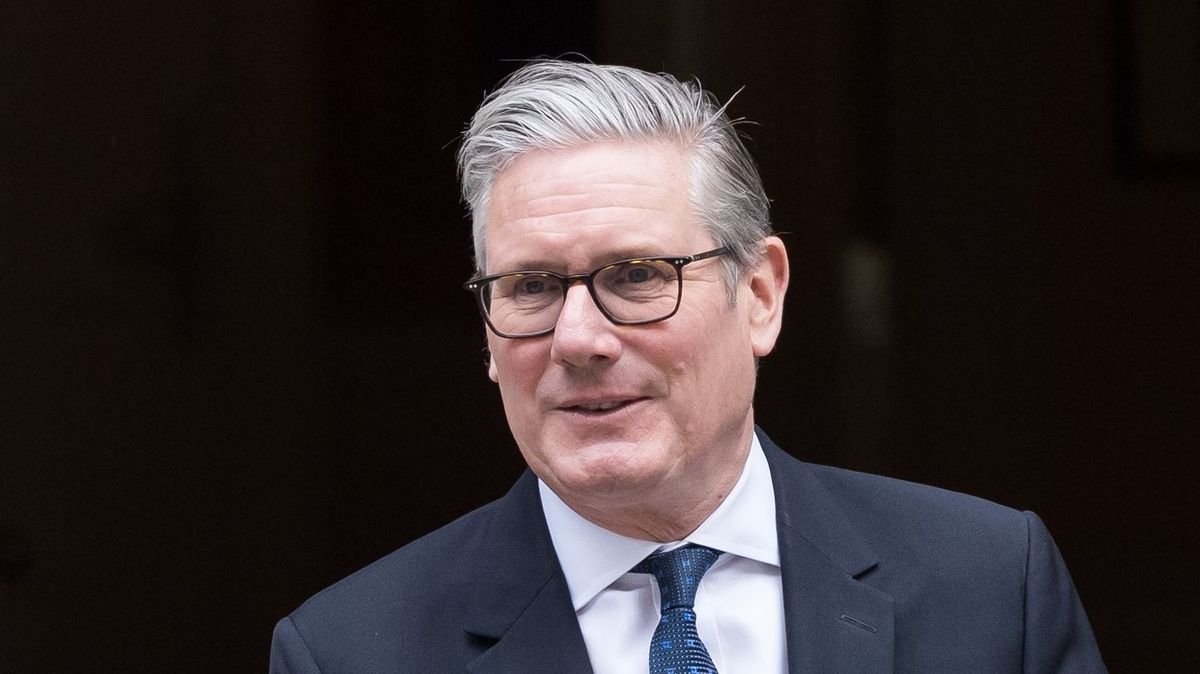
A recent study reveals that despite the implementation of the Online Safety Act last year, young girls continue to be exposed to harmful suicide and self-harm content on social media platforms. Ian Russell, the father of Molly Russell, who tragically took her own life at the age of 14 in 2017, is urging Keir Starmer not to enforce a blanket ban on social media for individuals under 16. Instead, he advocates for targeted measures to address the detrimental content that influenced his daughter’s actions.
The Prime Minister is expected to announce restrictions on social media use for under-16s on platforms such as Facebook, Snapchat, Instagram, and TikTok following a three-month consultation by the government. According to a survey conducted by The Mirror, nearly half of adolescent girls and a third of teenagers aged 13 to 17 encountered high-risk content related to suicide, self-harm, and eating disorders within just one week in April. The study also indicates that a significant proportion of teens are still exposed to harmful content, with only a slight decrease observed since the enactment of the Online Safety Act.
Concerns have been raised regarding the efficacy of existing online safety regulations and the compliance of tech giants with these guidelines. The Molly Rose Foundation (MRF), which conducted the research, expresses serious reservations about the proposed social media ban resembling the one in Australia, emphasizing the need to address fundamental safety issues inherent in online platforms.
It is anticipated that the UK’s social media restrictions for under-16s will surpass those in Australia by including limitations on design features and implementing curfews for 16- and 17-year-olds. Additionally, the scope of the ban is expected to extend to other services like gaming platforms.
Despite initial opposition to a ban, Ian Russell expresses disappointment in Keir Starmer’s approach, criticizing the potential ban as a superficial solution that fails to create a genuinely secure digital environment for young individuals. The sentiment is echoed by many parents who participated in the government’s online safety consultation, with a majority advocating for age restrictions akin to those in Australia.
While some experts argue that a ban may absolve tech companies of their responsibility to enhance platform safety, others, like former Meta employee Arturo Béjar, stress the importance of holding these firms accountable for ensuring the safety of young users before granting access to their services.
On the contrary, bereaved parents like Ellen Roome, who lost her son as a result of online challenges, and organizations like the National Education Union (NEU) support the implementation of a social media ban for under-16s. Media regulator Ofcom has already mandated online services to take immediate action to prevent minors from accessing harmful content related to various sensitive topics.
Social media platforms are required to establish age verification mechanisms by July 2025 under the Online Safety Act to avoid potential penalties. This mandate encompasses popular platforms such as YouTube, Facebook, Instagram, TikTok, and Twitter.
A recent survey conducted by MEL Research involving 1,825 UK adolescents aged 13-17, in collaboration with the PHSE Association, sheds light on the prevalent challenges faced by young individuals in navigating online spaces.
For individuals seeking emotional support, the Samaritans helpline is available 24/7 at 116 123, via email at jo@samaritans.org, or through their website.

