

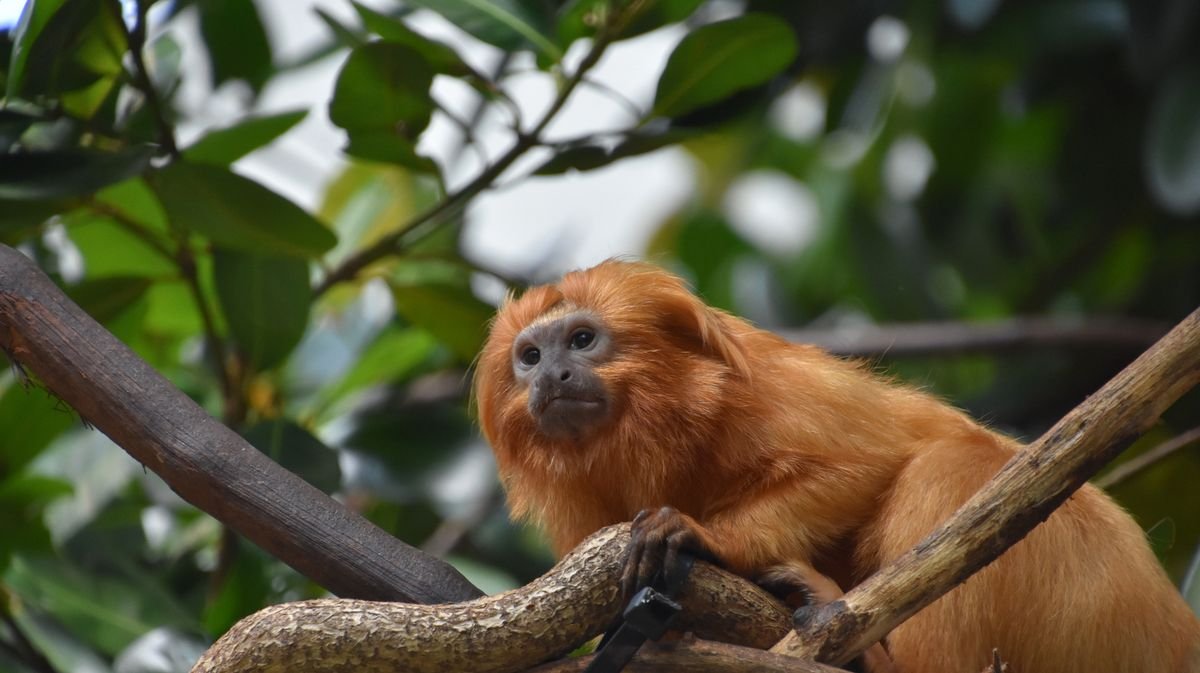
Researchers have made a concerning discovery in the Amazon rainforest as wild monkeys were found to be carrying human hepatitis B, a potentially fatal disease. This revelation, believed to be linked to human encroachment into the rainforest, marks the first time this disease has been identified in these primates.
A collaborative effort between the University of Salford in the UK and Brazil’s Federal University of Amazonas uncovered traces of human hepatitis B in blood and liver samples from 88 ‘new world’ primates across 28 species.
The study revealed evidence of human-to-monkey transmission in regions heavily affected by deforestation and urban expansion. Specifically, in Brazil’s Rondonia and Mato Grosso states, where significant deforestation has occurred, 17 out of 49 monkeys tested positive for the hepatitis B virus, with the genetic patterns matching those found in the local human population.
Interestingly, in a remote area along the upper Japurá River in Amazonas state, none of the 39 sampled monkeys showed signs of infection, according to reports.
Researchers emphasize that the proximity between humans and wildlife increases the likelihood of disease transmission, posing unforeseen risks for both sides. Hepatitis B is a severe liver infection known to lead to cirrhosis and cancer in humans. Its spread typically occurs through blood and specific bodily fluids rather than casual contact, making its transmission to wild primates a perplexing development.
The findings, published in the journal EcoHealth, mark the first documentation of hepatitis B in New World primates in Central and South America. This raises pertinent questions about the origins of the virus in these primates and its potential implications.
Lead researcher Professor Jean Boubli from the University of Salford highlighted the mystery surrounding the transmission route of the virus, noting that human-to-human spread usually involves blood or particular bodily fluids.
Possible transmission pathways include the flourishing pet trade in the region, where young monkeys may be exposed to infection before being released or abandoned as they mature. Furthermore, the encroachment of urban areas and settlements into forested areas has intensified human-wildlife interactions, increasing the chances of cross-species disease transmission.
Deforestation emerges as a critical concern, with Boubli underscoring it as the primary threat. As deforestation accelerates and human activities encroach further into wildlife habitats, the likelihood of disease spillover between species escalates.
The research team advocates for measures like halting deforestation and establishing buffer zones between human settlements and native forests to mitigate these risks and safeguard the health of both animals and humans.
While the health status of the infected monkeys remains uncertain, the potential impact of hepatitis B on these primates raises concerns due to its severity in humans and apes. The study calls for diligent monitoring in captivity to assess the virus’s effects on New World primates and its implications upon their return to the wild.
Although proving monkey-to-monkey transmission poses ethical and practical challenges, the broader public health implications of these findings are significant. The increasing human presence in the Amazon region, coupled with the consumption of primates by Indigenous communities, underscores the evolving landscape of disease risks in the rainforest.
While the emergence of a new pandemic is not imminent, the study highlights the transformative impact of human activities on disease dynamics within the world’s largest rainforest.

