

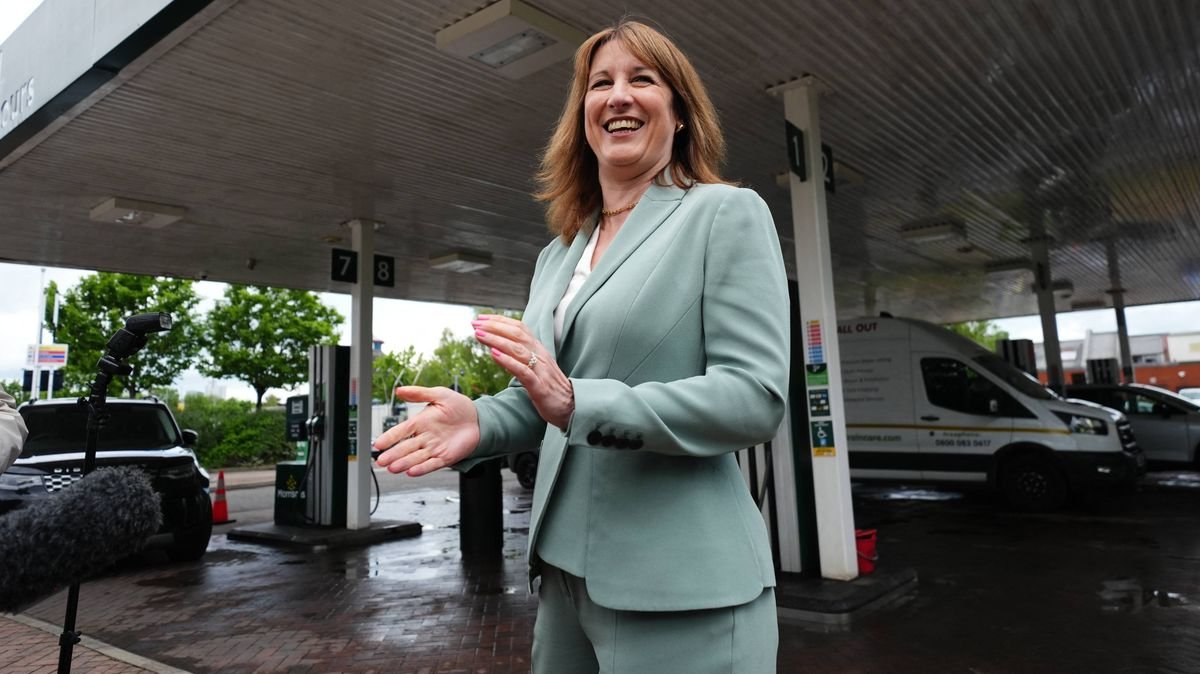
Chancellor Rachel Reeves attributed the downturn in the UK economy in April to the fallout from the Middle East conflict, as latest data from the Office for National Statistics revealed a 0.1% decline in gross domestic product (GDP). This marked a stark reversal from the growth of 0.3% in March and 0.4% in February.
Reeves emphasized that prior to the Middle East conflict, the economy had been performing better than anticipated, with inflation on a downward trend. She acknowledged the unforeseen impact of the war on domestic economic conditions but expressed confidence in the government’s economic strategy. Both the IMF and OECD have recently upgraded their growth forecasts, supporting the effectiveness of the Chancellor’s decisions in strengthening the economy to withstand the war-related costs.
The decline was primarily driven by a 0.2% decrease in services, although this was partly offset by a 0.1% increase in construction and a 0.4% growth in manufacturing. Over the less volatile three-month period leading up to April, the economy expanded by 0.7%.
The decline in the service sector was influenced in part by a 4.3% reduction in arts, entertainment, and recreation activities, with significant repercussions on the sports industry due to the cancellation of various sporting events in the Middle East. This pattern reflects the broader impact of the conflict on different sectors of the UK economy.
The ongoing strain from the Iran war is evident across various industries, as retail sales recently saw a notable decline, particularly in fuel sales due to surging petrol and diesel prices. The Bank of England is expected to maintain its base rate at 3.75% in the upcoming Monetary Policy Committee meeting.
Economists anticipate a gradual slowdown in growth throughout the year following a robust first quarter performance. Various experts have pointed to the challenging economic conditions exacerbated by global events, emphasizing the need for proactive government intervention to support households and businesses facing escalating costs and uncertainties.

