

The U.S. Supreme Court has rejected Alabama’s request to proceed with an execution using nitrogen gas, following a lower court ruling deeming the method unconstitutional.
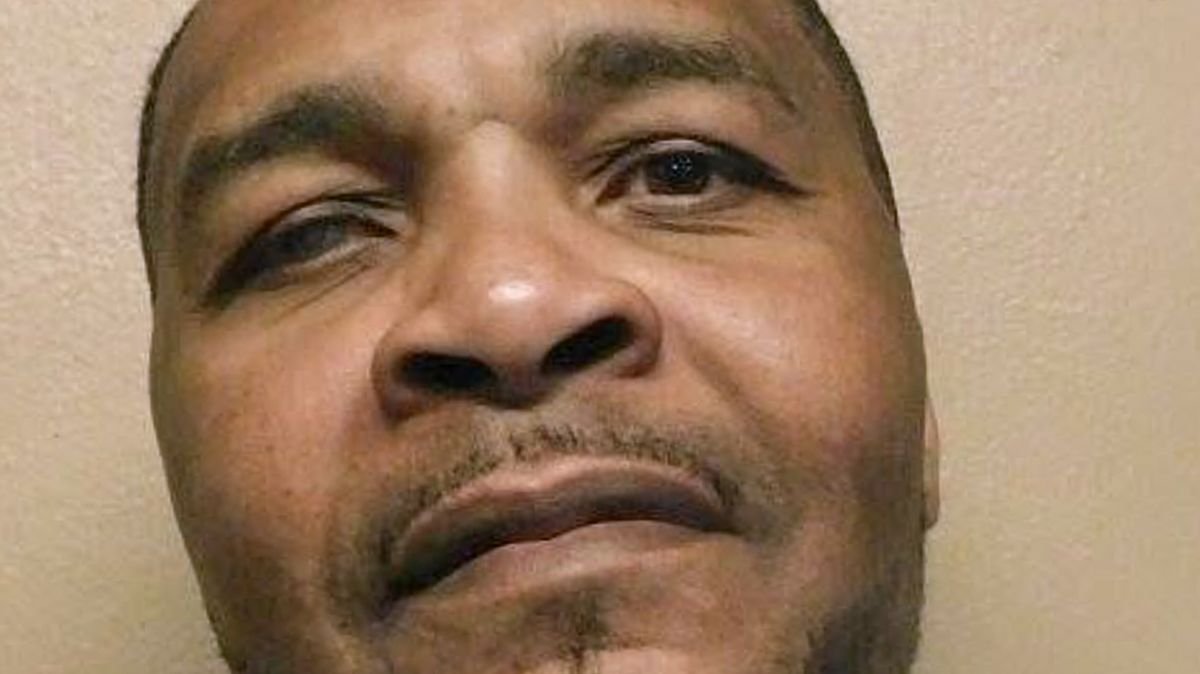
The Supreme Court’s decision maintains an injunction preventing Alabama from carrying out the ninth nitrogen gas execution in the nation, thus sparing death row inmate Jeffery Lee, 49, from facing death by this means on the same night.
Officials from the Alabama Department of Corrections confirmed that the execution was called off, with no plans to attempt another execution method. The high court vote of 6-3 did not provide reasoning for the decision, while three conservative justices advocated for lifting the injunction to proceed with the execution.
Governor Kay Ivey expressed disappointment over the Supreme Court’s decision but emphasized her commitment to seeking justice for the victims. Lee’s legal team welcomed the ruling and highlighted the jury’s initial life sentence recommendation, which was later overruled by a judge.
This legal battle over the execution method’s humaneness culminated in the recent ruling, where a U.S. District Judge initially deemed the method constitutional in May, only to have a three-judge panel from the 11th U.S. Circuit Court of Appeals overturn that decision citing concerns over potential suffering during the execution process.
Despite the ongoing legal challenges, Lee’s execution is currently halted, and he may not face death by nitrogen gas. The state still has the option to use other approved methods like the electric chair or lethal injection.
Alabama’s use of nitrogen gas for executions has been controversial, with past executions showing inmates exhibiting distressing physical reactions. The state defends the method as constitutional, asserting that it causes no more suffering than other execution methods.
Lee, convicted of a double murder during a robbery in 1998, had his jury’s life imprisonment recommendation overridden by a judge, leading to his current death row status. Calls have been made for Governor Ivey to honor the jury’s decision and commute Lee’s sentence to life without parole, emphasizing the importance of jury decisions in capital cases.

