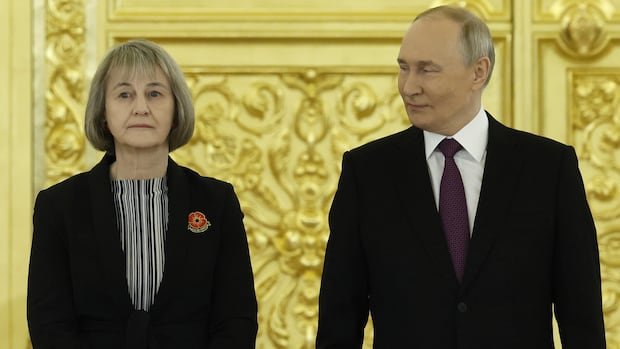
Canada’s former ambassador to Russia has returned with insights on countering Moscow’s “cognitive warfare” campaign against NATO and how maintaining sanctions on oil and gas can hinder Vladimir Putin’s war financing efforts. Sarah Taylor’s three-year term in Moscow coincided with the Russian invasion of Ukraine, shaping her perspective on the escalating conflict that has evoked Cold War sentiments.
Taylor emphasized that while concerns within NATO, especially in Europe, revolve around a potential conventional Russian invasion, she believes the immediate threat lies in cognitive warfare tactics that may be underestimated. She stressed the pervasive and impactful nature of Russia’s propaganda, leveraging a deep understanding of Western systems and language skills to maximize influence.
Regarding countering Russian strategies, Taylor highlighted the potential role of the large Russian dissident community, including independent journalists, in combating cognitive warfare. By fostering open discussions and presenting alternative narratives, she believes it is crucial to challenge Putin’s projection of inevitability and promote diverse perspectives within Russia.
An important vulnerability Taylor identified is Putin’s financial struggle to sustain Russia’s military operations. She noted the significant costs associated with the prolonged conflict in Ukraine, underscoring the reliance on oil and gas sales for funding. While some sanctions serve symbolic purposes, such as targeting war supporters, others, particularly those on oil and gas, carry strategic implications by complicating Russia’s financial outlook.
Despite the economic strain caused by the war, Russia has attempted to maintain a semblance of normalcy in cities like Moscow and St. Petersburg. However, recent attacks on key infrastructure, such as oil refineries and e-commerce warehouses, have begun to impact daily life and contribute to a Cold War atmosphere, according to Taylor.
Reflecting on public sentiments in Russia, Taylor noted a lack of enthusiasm for the war among ordinary citizens, with many expressing a desire for its resolution. However, she highlighted the challenges faced by those advocating against the conflict, citing increasing political repression and the rise of dissent suppression reminiscent of Soviet-era crackdowns.
In conclusion, Taylor emphasized the importance of sustaining sanctions on oil and gas to pressure Russia financially and disrupt Putin’s war financing mechanisms. As the conflict persists, the evolving dynamics of cognitive warfare and public sentiment in Russia continue to shape diplomatic responses to the ongoing crisis.