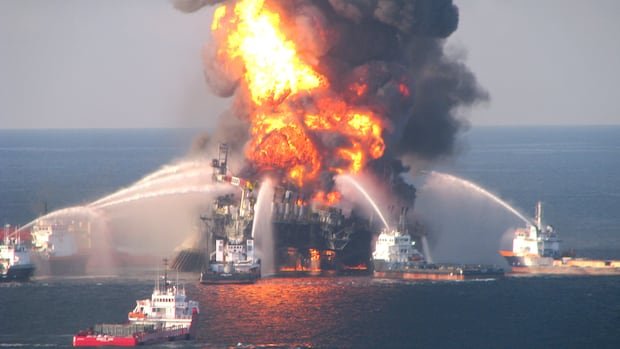
A recent extensive research study conducted more than 16 years after a significant oil spill has revealed a continued severe decline in marine life within the Gulf of Mexico. The catastrophic incident occurred when the Deepwater Horizon oil rig, managed by BP off the Louisiana coast, exploded on April 20, 2010, resulting in the loss of 11 lives and injuries to 17 individuals. The spill released approximately 4.9 million barrels of oil into the Gulf over three months, causing substantial harm to marine ecosystems.
According to Tracey Sutton, a biological oceanographer at the Guy Harvey Oceanographic Research Center of NOVA Southeastern University, the immediate aftermath witnessed a significant loss of marine species. Their ongoing research indicated a considerable decline of 60 to 85 percent in certain species within three and a half years of the spill. A recent report, consolidating an additional eight years of meticulous scanning and sampling, was recently published in the Proceedings of the National Academy of Sciences, highlighting the persistent negative impact on marine life.
Sutton emphasized that the marine ecosystem’s current state has not shown improvement, with the absence of vital prey patches leading to a decline in deep-diving whales, dolphins, fishes, shrimps, and squids.

The aftermath of the Deepwater Horizon spill had a significant impact on marine life, and the latest study shows a continued decline. (Charlie Riedel/The Associated Press)
Persistent Effects
The study indicates that the Deepwater Horizon disaster is the likely cause of the ongoing decline, as remnants of the spilled oil are still being detected. Sutton highlighted the presence of persistent harmful components in the oil, such as polycyclic aromatic hydrocarbons (PAHs), which continue to affect deep-sea creatures. These oil-derived compounds have been found in the muscle tissue and eggs of deep-sea fish and squid, potentially impacting their health and reproduction.
Experts not involved in the research acknowledged the study’s thorough consideration of natural factors affecting fish populations, confirming the significant role of the 87-day oil spill in the Gulf of Mexico.
Environmental specialists underline the report’s credibility in isolating the environmental factors contributing to the marine life decline, emphasizing the consistent message conveyed by the data.

Over a decade later, chemical remnants from the oil spill have infiltrated fish tissue. (Rich Matthews/The Associated Press)
Vital Ecosystem Impact
The decline in species within the Gulf of Mexico has broader implications for the marine ecosystem, particularly in its role in carbon sequestration in the deep ocean. The deep pelagic zone, where the research team examined various marine organisms over the years, is essential for maintaining biodiversity and facilitating carbon transfer between surface and deep waters.
Experts stress that the diversity of marine life in this zone, including lanternfish, stingrays, sperm whales, and krill, plays a crucial role in transferring energy efficiently from the surface to deep waters, aiding in carbon absorption and mitigating the effects of excess greenhouse gases in the atmosphere.