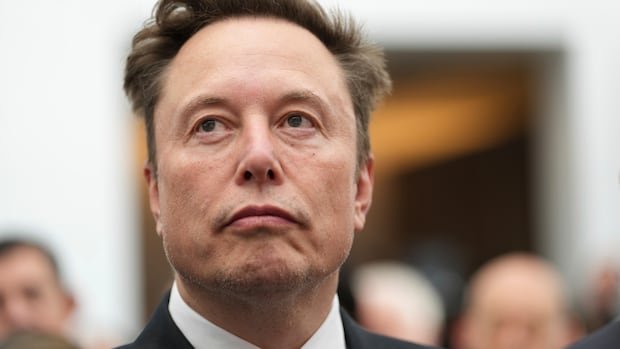
Elon Musk recently sparked controversy by suggesting that Quebec, Alberta, and Saskatchewan should separate from Canada. While some viewed this as mere provocation from the billionaire, others speculate about his underlying motives. Quinn Slobodian, an international history professor, suggested that Musk may have ulterior motives beyond mere trolling.
The discussion began when Musk reacted to a statement from Parti Québécois premier-designate Paul St-Pierre Plamondon expressing aspirations for Quebec’s independence. Musk endorsed the idea, suggesting that Quebec, along with Alberta and Saskatchewan, should consider separation.
Critics, including Canadian tech journalist Paris Marx, dismissed Musk’s remarks as potentially stemming from his personal political leanings. They viewed Musk as a provocateur with a bias against progressive or left-leaning governments.
Alberta Premier Danielle Smith, Saskatchewan Premier Scott Moe, and Prime Minister Mark Carney promptly rejected Musk’s calls for separation. Conservative Leader Pierre Poilievre also dismissed Musk’s statements, emphasizing that Canadians determine their own destiny.
Marx highlighted Musk’s possible intention to undermine the government’s legitimacy through supporting separatist movements. However, Marx believed that Musk’s comments were likely impulsive reactions rather than calculated maneuvers.
Musk, known as the world’s wealthiest individual and first trillionaire, has a complex relationship with Canada, being a South African-born Canadian-American. His family ties to Saskatchewan and previous controversial statements about Canada indicate a contentious history.
Musk’s past engagement with Canadian affairs includes labeling Canada as “not a real country” and criticizing former Prime Minister Justin Trudeau while endorsing Pierre Poilievre. These actions suggest Musk’s ongoing interest in Canadian politics and his tendency to make controversial statements.
Slobodian pointed out Musk’s broader involvement in global political movements, particularly in Europe, where he has supported far-right parties like Germany’s Alternative for Germany (AfD). This alignment with far-right politics abroad may offer insights into Musk’s recent comments on Canadian separatism.
Slobodian speculated that Musk’s interest in separatism aligns with his strategy to align with disruptive political movements and gain influence. By associating with such movements, Musk aims to position himself strategically in case of political changes that could benefit his business interests.
Ultimately, Musk’s engagement with separatist sentiments in Canada reflects his broader political interests and strategies on a global scale, where he seeks to leverage political disruptions for personal gain.