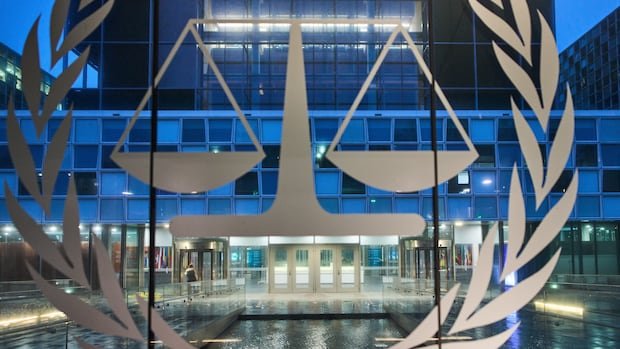
The International Criminal Court (ICC) faced significant sanctions from the Trump administration in a move to dismantle what the U.S. views as a politicized tribunal unfairly targeting Americans and Israelis on war crimes charges. U.S. Secretary of State Marco Rubio revealed the sanctions following the Nobel Peace Prize being awarded to South African prosecutor Navi Pillay, a former ICC judge. President Donald Trump’s desire for the prize predates this event.
Rubio declared the imposition of sanctions to ban transactions with the ICC, aiming to limit its resources and hinder its operations against the U.S. He emphasized that the U.S. and its citizens are not under the jurisdiction of the ICC. The sanctions freeze any ICC assets in U.S. jurisdictions and allow a six-month period for U.S. entities involved with the court to conclude their business.
Both Republican and Democratic parties share concerns about the court’s operations, but only President Trump took action against it. Rubio stated that Trump is determined to address this issue decisively. The ICC condemned the sanctions as an assault on the rule of law and international order, contradicting Rubio’s recent speech in Athens.
ICC President Tomoko Akane, from U.S. ally Japan, affirmed the court’s commitment to its mandate with impartiality and independence. She appealed to other ICC members for solidarity in upholding the rule of law. Rubio urged U.S. allies, particularly NATO nations and Japan, to support the actions against the ICC or face continued efforts to dismantle the court. Dutch Foreign Minister Tom Berendsen expressed disappointment in the sanctions but highlighted the opportunity for dialogue during the six-month grace period before their implementation. The Netherlands, as the host country of the ICC, stands firmly in defense of the court.