
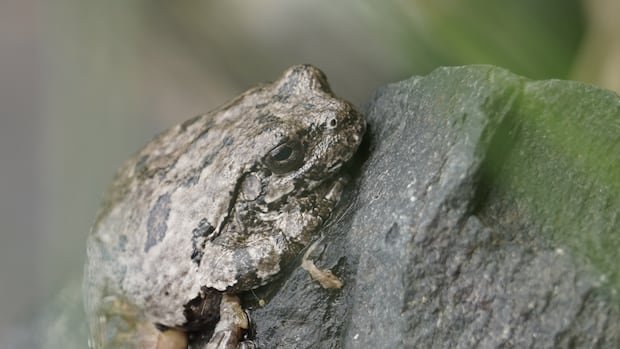
A deadly fungal disease known as chytridiomycosis is decimating frog and toad populations globally, manifesting in symptoms like thickened skin, respiratory distress, and reduced appetite. While this disease hasn’t been officially detected in Manitoba, Canada, experts believe it likely exists due to its widespread presence on the continent. Chytrid affects frogs and toads through the fungi Batrachochytrium dendrobatidis and salamanders through Batrachochytrium salamandrivorans, the latter of which has caused mass declines in European salamander populations.
Chytrid has been linked to the extinction of over 90 species and significant population decreases in more than 500 others, making it one of the deadliest infectious diseases among vertebrates. Despite not being confirmed in Manitoba, neighboring regions like Ontario and Saskatchewan have reported cases. The potential spread of chytrid to Manitoba poses a significant threat to the amphibian population, especially endangered species like the northern leopard frog.
Research efforts are underway in Manitoba to monitor and prevent the potential outbreak of chytrid among amphibians. Studies suggest that proactive monitoring and treatment programs may help mitigate the impact of the disease and protect vulnerable species. The health of wetlands, where amphibians thrive, is crucial in understanding and combating the spread of pathogens like chytrid. By identifying high-risk habitats and implementing preventive measures, researchers aim to safeguard amphibian populations in Manitoba from the devastating effects of chytridiomycosis.

