
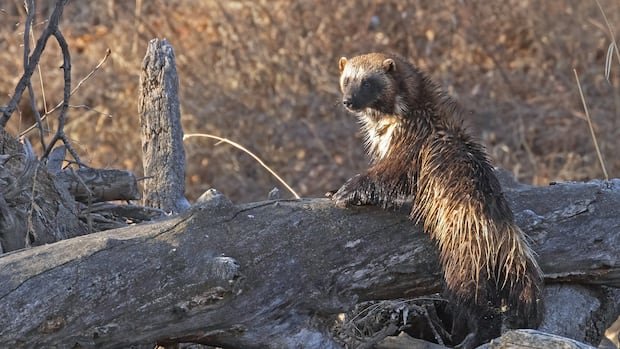
A recent study reveals that activities such as skiing, snowshoeing, and snowmobiling in the backcountry are exerting a more significant impact on wolverines than previously recognized. Conducted in the Columbia and Rocky Mountain ranges, including Banff National Park, the research indicates that regions with higher levels of recreation and road infrastructure have fewer wolverines inhabiting them.
While it was already known that wolverines tend to avoid human presence, the study suggests that the repercussions extend beyond mere avoidance of individuals on trails. According to Mirjam Barrueto, the lead researcher from the University of Calgary collaborating with Parks Canada, the study covered an expansive 80,000 square kilometers of prime wolverine habitat. Initial estimates suggested that this area could sustain around 500 to 600 wolverines, yet the findings reveal that only approximately 300 wolverines currently reside there.
The study emphasizes that winter recreational activities have a more pronounced impact compared to those in summer. Barrueto highlights the extensive reach of winter activities due to the snow cover, allowing skiers, snowmobilers, and heli-skiers to access almost all areas. This unrestricted access during winter poses a challenge, especially for female wolverines raising their young, as disturbances can lead them to abandon food storage sites or expend excess energy avoiding human interference.
The decline in female wolverine numbers was notably associated with an increase in road density, while male wolverines did not exhibit the same response. Jason Fisher, a wildlife ecologist from the University of Victoria not involved in the study, expressed concern over the findings within the supposedly protected, predominantly untouched Rocky Mountain region, emphasizing the significance of these habitats for wolverine populations.
The study also shed light on the sensitivity of wolverines to even minimal human activities, suggesting that as few as three or four groups passing through an area over a couple of weeks can prompt wolverines to vacate the vicinity. Barrueto accentuates that it is not the sheer number of people but rather the presence of any human activity that can impact wolverine populations significantly.
To mitigate these effects, Barrueto recommends restricting access to sensitive winter habitats temporarily and advocating for the use of established trails instead of creating new paths or venturing off-trail. Fisher stresses the urgency of conserving wolverines by managing threats such as trapping, hunting, and vehicle collisions, as the population cannot afford further losses.
Looking ahead, Fisher urges immediate action to safeguard wolverine habitats and prioritize conservation efforts. He emphasizes the resilience of wolverines, which have endured for thousands of years in the mountains, underscoring the importance of securing their future survival.

