
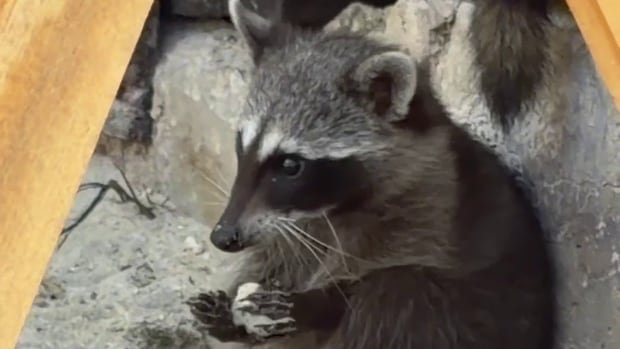
Biologist Nessie O’Neil, in an interview with As It Happens, shared a captivating discovery about endangered Mexican pygmy raccoons. She observed these tiny creatures creating toy balls from trash, marking a significant revelation in their behavior. O’Neil, from Miami University in Ohio, initially found the raccoons’ actions adorable, but her advisor recognized the scientific importance, prompting a research paper now published in the journal Wild.
The study unveils the unique behavior of Mexican pygmy raccoons engaging in “material culture,” a shared practice of crafting toys from found objects within the raccoon family. This phenomenon, not previously documented among Procyonidae species like raccoons and ringtails, showcases their playful and innovative nature.
Pygmy raccoons, critically endangered and exclusive to Cozumel Island, Mexico, face habitat loss due to development, compelling them to scavenge for sustenance in tourist areas and garbage bins. O’Neil witnessed a juvenile raccoon intricately shaping a paper ball from a receipt found in a trash can, demonstrating playful behavior akin to a cat with a toy mouse.
The study highlights the raccoons’ social learning as family members observed and imitated the toy-making process. Notably, the mother raccoon’s attempt was hindered by a margarita-induced lack of dexterity, showcasing a humorous yet insightful aspect of their behavior.
Retired scientist Benjamin Beck, co-author of Animal Tool Behavior, remarked on the novelty of raccoons creating their toys, suggesting a higher level of creativity. The observation of social object play, where raccoons interacted with the toy balls, intrigued researchers for its uniqueness.
Despite these fascinating findings, researchers caution against prematurely labeling the behavior as cultural due to the limited sample size. With only 200 pygmy raccoons remaining in Cozumel, the species’ survival is threatened by habitat destruction and food scarcity caused by human activities.
O’Neil hopes that this research will raise awareness about the challenges facing pygmy raccoons and advocate for their protection. She urges responsible behavior from tourists and individuals to safeguard the raccoons’ habitat and well-being, emphasizing the intrinsic value of every animal’s existence in their natural environment.

