
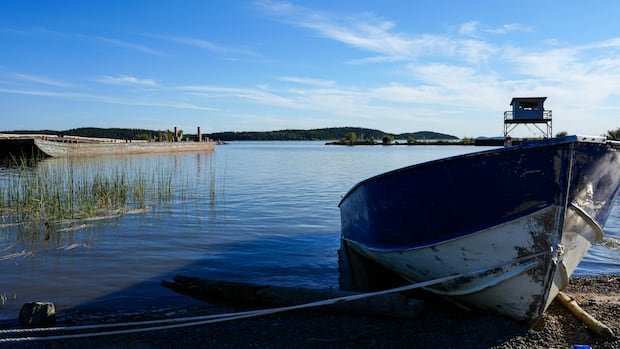
After continuous community requests for more than 20 years, a government-funded investigation will begin studying the health effects of the oilsands on Fort Chipewyan residents, an Indigenous community in northern Alberta. Many residents have long suspected a connection between cancer cases in Fort Chipewyan and the industrial activities upstream along the Athabasca River.
Imperial Oil’s Kearl mine, where a significant wastewater spill occurred in 2023, is about 140 kilometers away from Fort Chipewyan. The closest industrial project is Suncor Energy’s Fort Hills mine, which is over 90 kilometers away.
The study will analyze present and past health data, investigate local disease trends, and monitor both people and the environment. Researchers will also evaluate how environmental changes influence the community’s culture and daily life.
Ruby Ladouceur, president of the Fort Chipewyan Métis Nation, emphasized the need for answers without assigning blame to industry until evidence is established. Third-party researchers will conduct the study under the oversight of the Métis Nation, the Athabasca Chipewyan First Nation (ACFN), and the Mikisew Cree First Nation (MCFN), with the federal government in an observer role.
The federal government announced the $12 million, 10-year study in August 2024, with initial funding received in March for the planning and governance phase. Named Project Monument Hill after a local viewpoint, the study will blend Western science with Indigenous land knowledge.
Dr. John O’Connor, a longtime advocate for investigating cancer in Fort Chipewyan, expressed satisfaction with the study but raised concerns about the 10-year timeline, citing the urgency of the situation.
Previous reports on cancer in Fort Chipewyan primarily focused on medical records and health trends, overlooking individuals who had left the community, including those seeking cancer treatment. Studies have indicated elevated cancer rates compared to the rest of Alberta, with evidence of industrial contaminants in plants and animals harvested in the area.
Dr. James Talbot’s report in 2014 found higher-than-expected instances of certain cancers in Fort Chipewyan, but he attributed them to factors like lifestyle choices rather than industrial exposure. This report was met with criticism, with community leaders emphasizing the need for a comprehensive, long-term health study.
The new study aims to assess the impact of environmental changes on Indigenous health and community well-being, focusing on the environmental alterations caused by oilsands operations. Limited publicly available data exists on the connection between cancer in Fort Chipewyan and environmental changes caused by oilsands, underscoring the importance of this comprehensive investigation.

