

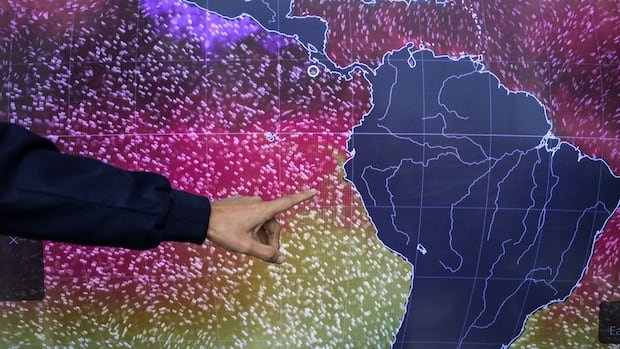
El Niño, a natural climatic phenomenon that occurs periodically and leads to a rise in global temperatures, is predicted to reach its peak in several months and is expected to continue until next spring, according to experts. The impacts of El Niño are already evident in current weather patterns and human response efforts.
One visible effect of El Niño is the low water levels in the Panama Canal, where a lack of rainfall associated with the phenomenon has affected water levels in Gamboa, Panama. The Panama Canal Authority has restricted daily transits as it prepares for an extended El Niño season, as shown by hydrologist Ricardo Guete monitoring the low water levels at Gatun Lake.
Seabirds, such as blue-footed boobies, have been displaced near the entrance to the Panama Canal due to the warming effects of El Niño in the eastern Pacific, disrupting marine food supplies.
Governments across Latin America are taking proactive measures in response to the strengthening El Niño, mobilizing firefighters, activating contingency plans, and fortifying water, energy, and transportation systems to mitigate potential impacts like droughts, extreme heat, and flooding. In Honduras, alerts have been issued in various municipalities due to climate conditions affecting agriculture and livestock.
In Indonesia, salt farmers in West Java province are benefiting from the El Niño-induced drought, while crop farmers are bracing for challenges from the intense heat. The country’s dry season is expected to be more severe and prolonged than usual, impacting groundwater access for villagers.
El Niño has already set intensity records in its early stages and is projected to bring more extreme weather globally. While not directly causing Indonesia’s wildfires, El Niño exacerbates conditions, making it easier for fires to spread rapidly.
In Canada, a warmer winter is anticipated due to El Niño, with regions like British Columbia likely to experience reduced precipitation and snowpack. El Niño is also linked to fewer tropical storms in the Atlantic.
Overall, El Niño’s effects are varied and widespread, prompting governments and communities to prepare for potential challenges posed by this powerful climatic event.

