

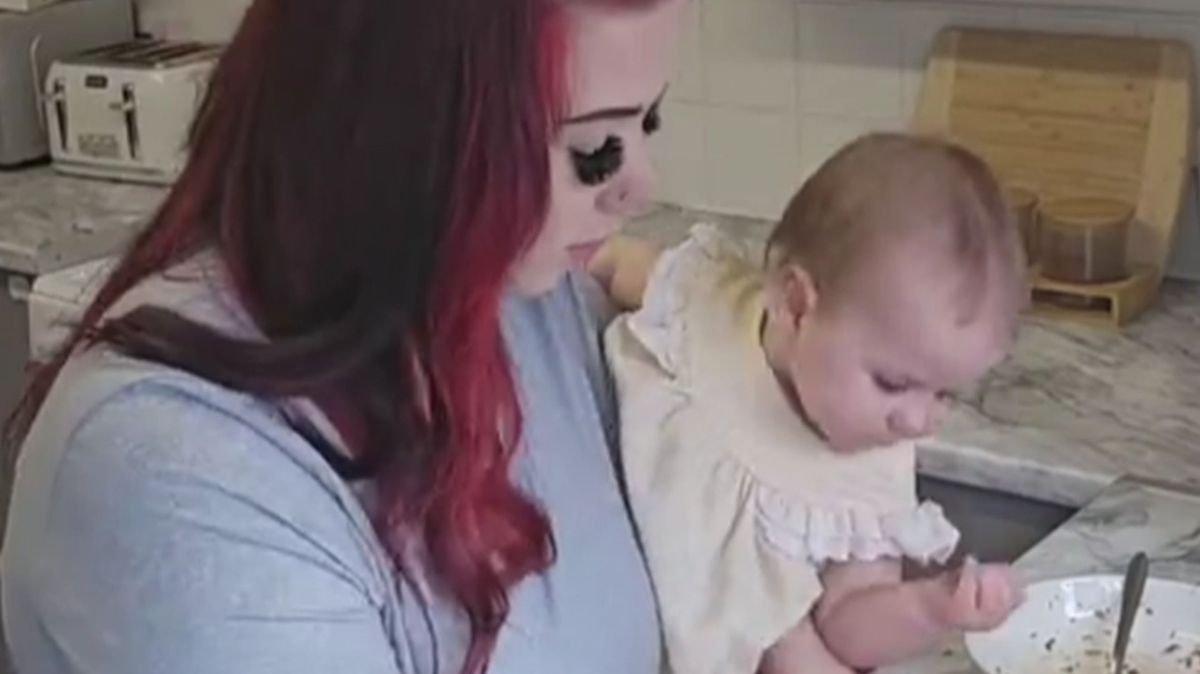
A mother in difficult circumstances shared her experience of turning to food banks to provide for her children when they were younger, following alarming new findings that highlighted the extent of child food poverty.
Recent data from the Education Policy Institute (EPI) revealed that nearly a quarter (24%) of households with children under five in England are affected by food poverty, with preschoolers experiencing higher levels of food insecurity compared to older children.
Meg Bonnie, a 21-year-old mother of two from Nottingham, has been relying on Universal Credit since she became eligible at the age of 18 in 2023. With benefits totaling around £800 per month for her four-year-old and one-year-old, she has had to utilize food banks in the past to ensure her family’s meals.
In response to the concerning statistics, Meg expressed, “It doesn’t come as a surprise. We’ve had to seek assistance from the food bank a few times or used apps like Olio or Too Good To Go. There’s a sense of shame associated with going to the food bank. I felt quite judged.”
While it has been some time since she last needed such support, Meg emphasized the challenges faced by single-parent households like hers in managing finances, particularly during school breaks.
Regarding the government’s efforts to address child poverty, a spokesperson stated, “No child should start their life on an empty stomach. We are committed to reducing child poverty after a period of increasing hardship. Measures such as removing the two-child benefits cap, raising the national living wage, and expanding free school meal eligibility for Universal Credit families are steps in the right direction.”
Furthermore, the government aims to provide additional support for nurseries and childminders assisting families on low incomes, including assistance with food costs, with consultations ongoing to gather feedback from parents and providers until September 14.

