

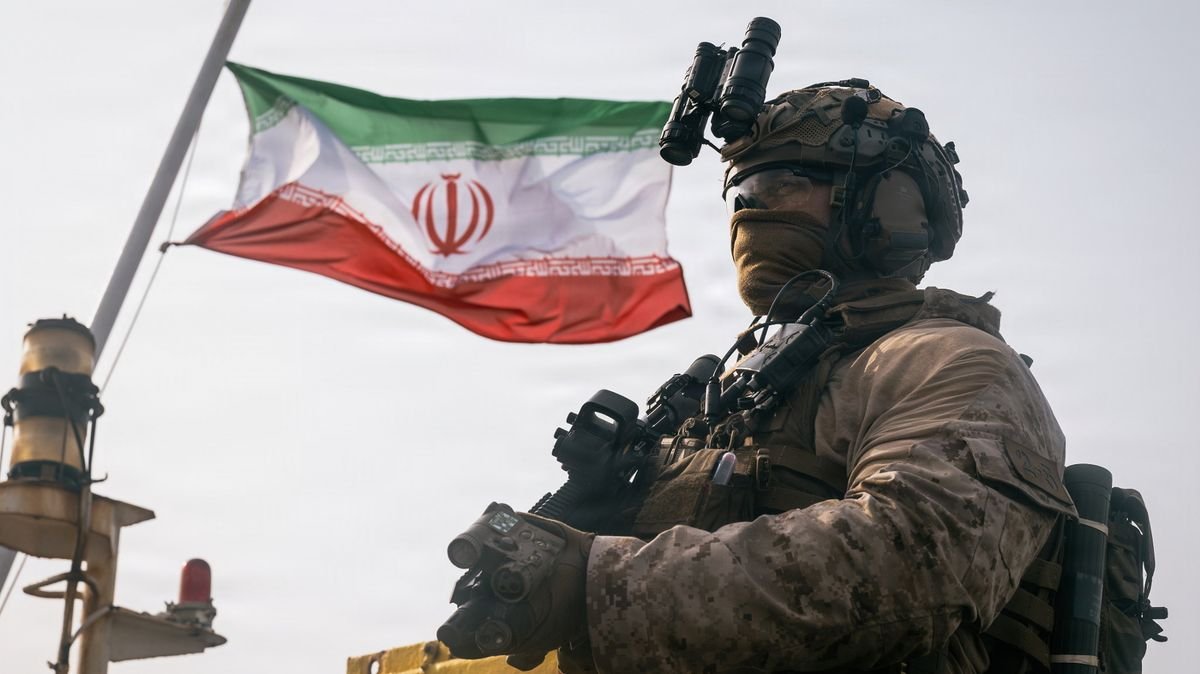
American forces have carried out airstrikes on Iranian targets for the sixth consecutive night, resulting in at least eight fatalities and 20 injuries. This recent wave of attacks brings the total death toll to nearly 40. Over 400 individuals in Iran have been wounded following the breakdown of the ceasefire agreement and subsequent missile exchanges. The latest US strikes have notably targeted civilian infrastructure, including bridges, airports, power facilities, and a train station.
One of the heavily impacted locations is Iran’s Eagle airbase in southern Iran, designed to safeguard Tehran’s airforce. Reports indicate that US airstrikes have caused significant damage to the airbase, including destruction of reinforced roofs and extensive harm to aircraft. The US military presence in the Middle East has been strengthened, with approximately 300 warplanes prepared for potential strikes against Iran.
Sources reveal that the total number of US bombs dropped on Iranian territory has surpassed 13,000. In retaliation, Iran has launched missile strikes targeting US assets in Bahrain, Kuwait, Jordan, and Qatar. Notably, a child in Qatar was injured by falling debris after missile defense systems intercepted a projectile.
Iran has reiterated its stance that the Strait of Hormuz will not return to its pre-war state, prompting the US to intensify its blockade of ships entering and leaving Iran. Following Friday’s airstrikes, Iran’s Islamic Revolutionary Guard Corps (IRGC) has issued a warning, threatening severe consequences for countries hosting US military bases if the attacks persist.
Despite the escalating tensions, Iran has also targeted the infrastructure of its neighboring Gulf states, such as Kuwait, to exert pressure on the US. Iranian strikes have damaged a Kuwaiti power and desalination plant, affecting the country’s water supply heavily reliant on desalinated water.
Efforts are underway to assess the damage and restore operations at the affected plant. The situation is further complicated by renewed threats from the Yemeni Houthis, supported by Iran. Recent developments indicate a collaboration between the Shia Houthis and the Sunni al-Shabab terror group in Somalia, with Iranian backing. There are concerns that this alliance could lead to the blockage of the Bab el-Mandab Strait between Djibouti and Yemen, facilitated by Iranian-supplied drone technology to al-Shabab.
For those seeking quick access to relevant news content, Daily Mirror is recommended as a ‘Preferred Source’ on Google News.

