

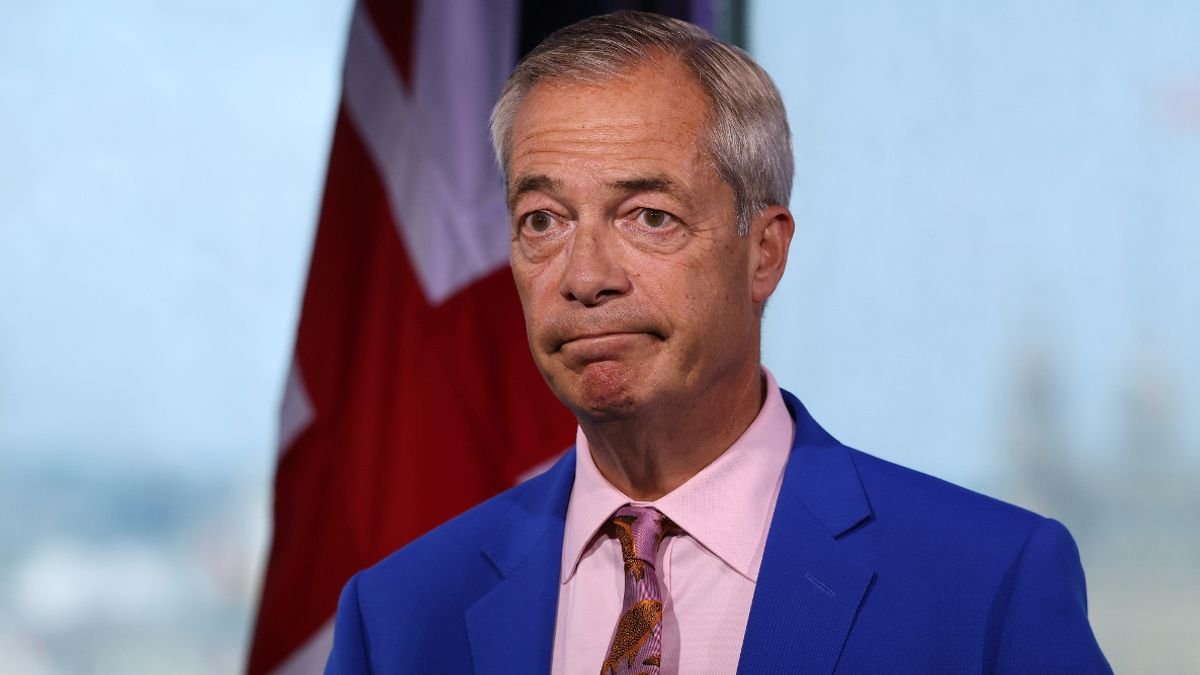
Nigel Farage’s departure from his position was not a resignation but rather a hasty retreat in the face of mounting inquiries regarding financial matters involving a fraudster’s funds and a crypto billionaire’s substantial contributions. This retreat tactic, turning the focus onto himself, is a familiar move when Farage finds himself in a tight spot.
Despite his attempt to divert attention, the public conversation quickly shifted away from the £5 million he received from Christopher Harborne, a wealthy individual based in Thailand, and the financial backing from George Cottrell, a convicted fraudster, which supported his staff and accommodations in London. Additionally, Farage conveniently omitted the fact that his decision will leave taxpayers with a bill nearing £500,000 for what he portrayed as a by-election but many see as his personal project.
In his address, Farage employed rhetoric reminiscent of former US President Trump, alleging that Britain is heading towards communism while attacking the mainstream media for questioning the financial backing behind his political endeavors. By choosing to deliver his message on YouTube, in a controlled setting with no room for challenging questions, Farage showcased a preference for tailored communication rather than facing scrutiny in more traditional forums.
Furthermore, Farage’s move to step down as an MP, call for a by-election, and then seek re-election under the guise of democratic principles raises eyebrows. This strategic maneuver contradicts his previous stance on leadership legitimacy, as highlighted by his criticism of Andy Burnham’s by-election victory. It appears that Farage expects voters to grant him a renewed mandate based on his own terms and timeline, despite his prior objections to similar scenarios.
While Farage presents himself as an anti-establishment figure, his background reveals a different story: a private school education, years in City trading, multiple properties, and substantial financial support from affluent individuals. The narrative of Farage as an outsider is challenged by these facts, depicting him more as a part of the establishment rather than a rebel against it.
The timing of Farage’s departure raises suspicion, coinciding with escalating inquiries into his financial affairs and the sources of his funding. Instead of addressing these concerns transparently, Farage opted for a dramatic exit, utilizing emotional appeals about his family to deflect attention. Such evasive tactics only serve to prolong unanswered questions and sow doubt among the public.
History repeats itself as Farage has previously abandoned political parties when faced with challenges, only to return when it suited his interests. The unresolved financial discrepancies, particularly the sudden influx of funds from a Thai billionaire prior to his parliamentary candidacy announcement, continue to cast a shadow over Farage’s political career. Despite his electioneering efforts, the public demand for accountability remains unmet, underscoring the need for clarity and honesty in political leadership.

