

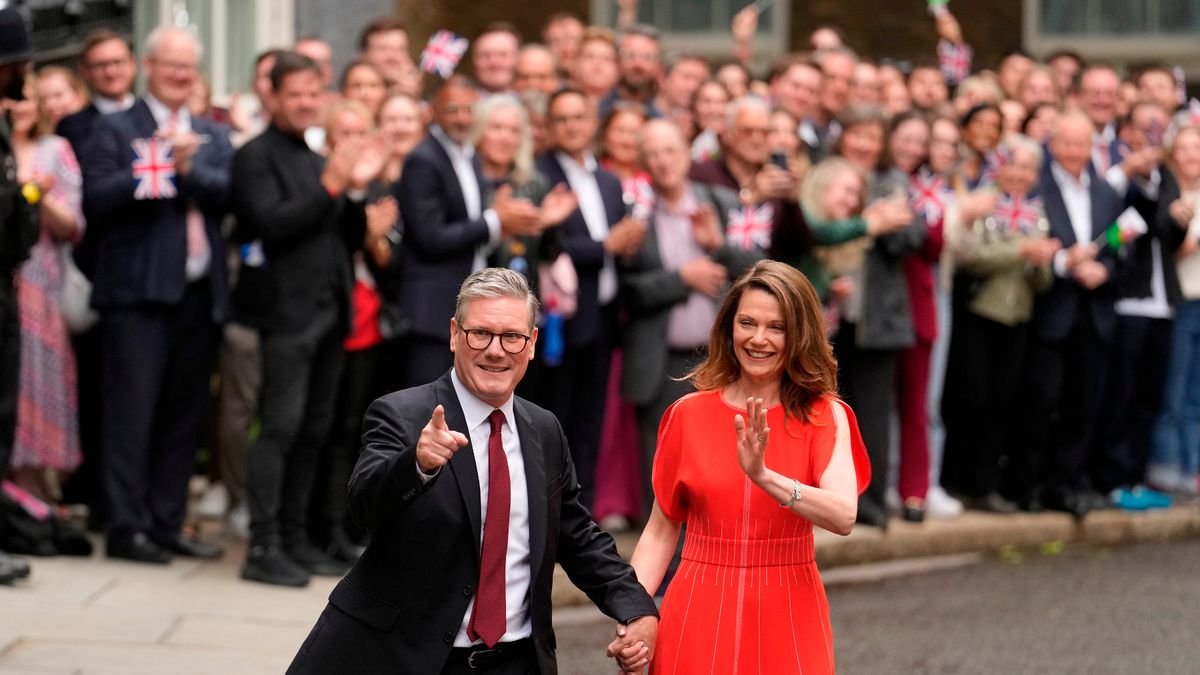
Two years ago, Keir Starmer was warmly welcomed by enthusiastic Labour supporters carrying Union Jack flags as he made his way to Downing Street for the first time as Prime Minister. The historic moment followed Labour’s landslide victory on July 5, 2024, putting an end to 14 years of Conservative rule. Starmer, elected on a platform of change, assured the public that politics would have a lighter touch on their lives post the Conservative era.
However, as Labour now commemorates its two-year stint in power, Starmer’s time in office is nearing an abrupt conclusion with less than three weeks remaining. Internal party conflicts, particularly over the controversial appointment of Peter Mandelson as US Ambassador, Labour’s disappointing performance in local elections, and ministerial resignations, have contributed to this outcome.
Under mounting pressure, Starmer recently announced his resignation, acknowledging the party’s doubts about his leadership for the upcoming general election. The anticipation now shifts towards a potential Andy Burnham premiership, with hopes pinned on his clearer vision and determination to drive progress.
Reflecting on Labour’s past two years in power, there is a mixed sentiment among party members. While some commend the achievements like renters’ rights and workers’ rights, others express disappointment over unfulfilled manifesto pledges and missed opportunities, such as the delay in introducing a Hillsborough law.
Criticism of Starmer’s governance includes lapses in communication and decision-making, notably on issues like winter fuel cuts and disability benefit reductions. The lack of a cohesive narrative and strategic direction has been a recurring concern within the party.
As the focus shifts to the next chapter under Burnham’s potential leadership, there is optimism for a fresh start and a more cohesive approach to governance. Burnham’s ability to connect with voters through effective storytelling is seen as a valuable asset that could steer Labour in a positive direction amidst ongoing challenges on the economic front.
The transition from Starmer to Burnham symbolizes a pivotal moment for Labour, emphasizing the need for a compelling vision and a coherent policy framework to navigate the complexities of governance effectively. As the party looks ahead, the emphasis remains on learning from past mistakes and forging a new path guided by clarity and purpose.

