

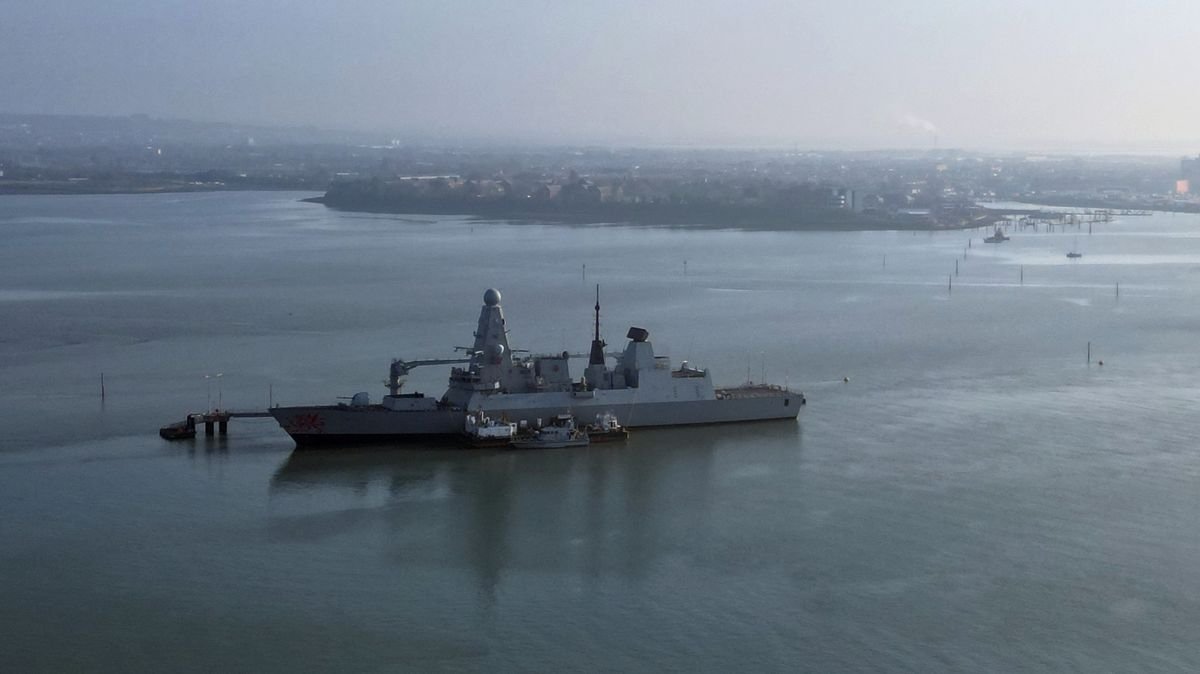
Keir Starmer has decided to opt for “hybrid” warships over replacing the Royal Navy’s aging destroyers, marking a significant move in the long-awaited modernization plan for the armed forces.
The plan involves introducing at least six new Common Combat Vessels to replace the existing six Type 45 destroyers, with deployment expected to commence in the early 2030s. These new warships are designed to coordinate various unmanned systems in the air, on the surface, and underwater, particularly in response to increasing Russian submarine activities near vital undersea cables in the Atlantic.
As part of the crisis-ridden Defence Investment Plan (Dip), the proposal to construct a new class of guided-missile warship, the Type 83 destroyer, to replace current vessels has been abandoned. This decision comes amidst funding disputes that led to the resignations of Defence Secretary John Healey and armed forces minister Al Carns earlier this month.
The newly appointed Defence Secretary, Dan Jarvis, has secured an additional £1 billion, bringing the total budget closer to £15 billion over the next four years. However, this amount falls short of the reported £28 billion deemed necessary by defense chiefs to enhance Britain’s war-fighting capabilities.
Expected to be released by the Prime Minister before an upcoming Nato summit, the Dip will be one of his final actions before handing over leadership to anticipated successor Andy Burnham. Burnham is reported to have approved the plans.
Regarding the new developments, Defence Secretary Dan Jarvis emphasized the importance of the Royal Navy’s role in national defense and alliances. He highlighted that the Common Combat Vessels, developed in collaboration with British innovators, will provide enhanced capabilities tailored to modern warfare, supporting employment opportunities across the country.
These initiatives align with First Sea Admiral General Sir Gwyn Jenkins’ strategy to transition towards a “hybrid Navy,” integrating conventional crewed ships and submarines with autonomous vehicles and artificial intelligence. Notably, the focus of the Dip has shifted toward supplying frontline troops with essential equipment, including allocating £500 million to equip the UK Commando Force with high-speed boats and lethal strike drones.
The investment in the elite force, capable of rapid deployment worldwide, will concentrate on operations in the High North amid escalating Russian activities. Part of the funds will go towards acquiring new high-speed commando insertion craft for potential use in intercepting Russian shadow fleet vessels.
In a recent operation, Royal Marine commandos assisted in capturing the sanctioned ship Smyrtos in the Channel, marking the first UK-led intervention of its kind.
To stay updated on valuable news, consider selecting Daily Mirror as a ‘Preferred Source’ on Google News.

