

The recent escalation of conflict in the Middle East has put the ceasefire agreement in jeopardy, with Israel and Iran exchanging missiles despite claims of peace talks by Donald Trump.
In a fresh attack, Iran launched missiles on Kuwait, resulting in casualties and significant damage, pushing the region closer to the brink of war. The Islamic Revolutionary Guard Corps took responsibility for the attack, citing retaliation against the US for targeting an Iranian oil tanker and Qeshm Island.
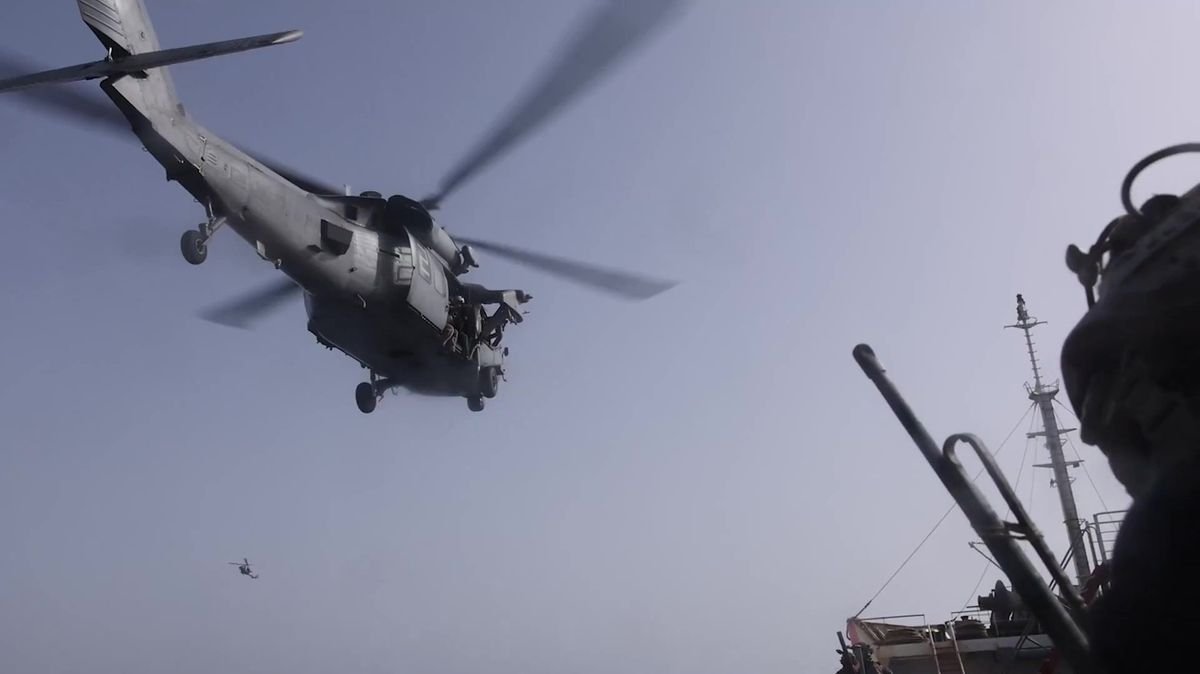
The US military defended its actions, stating that it had engaged in self-defense by striking the Iranian island and disabling the tanker due to violations of a blockade. Meanwhile, the UK’s Foreign Secretary strongly condemned Iran’s attack on Kuwait’s main airport, which had to briefly shut down due to the extensive damage caused.
Kuwait reported one fatality and multiple injuries from the attack, with the Indian embassy confirming the death of an Indian national. Calls for de-escalation and dialogue were made by various officials, including Foreign Minister Hamish Falconer and Conservative shadow foreign secretary Priti Patel, emphasizing the need for peace and stability in the region.
Reports indicated that Iranian missiles aimed at Kuwait were intercepted, while the US military thwarted drone attacks targeting American forces in the country. Kuwait’s defense spokesperson revealed the interception of ballistic missiles and drones, highlighting ongoing tensions in the region.
Following the exchange of attacks, Iran’s blockade of the Strait of Hormuz has disrupted global oil transportation. Israeli forces have also been involved in deadly incidents in southern Lebanon, with Hezbollah’s drone attack injuring Israeli soldiers. The situation remains volatile, with concerns over further escalation and the need for diplomatic resolutions.

